Wild Camping Water Purification: Stay Safe & Hydrated on UK Trails
Master wild camping water purification with practical tips and gear advice for safe hydration on UK trails. Essential for every outdoor adventurer.
On this page

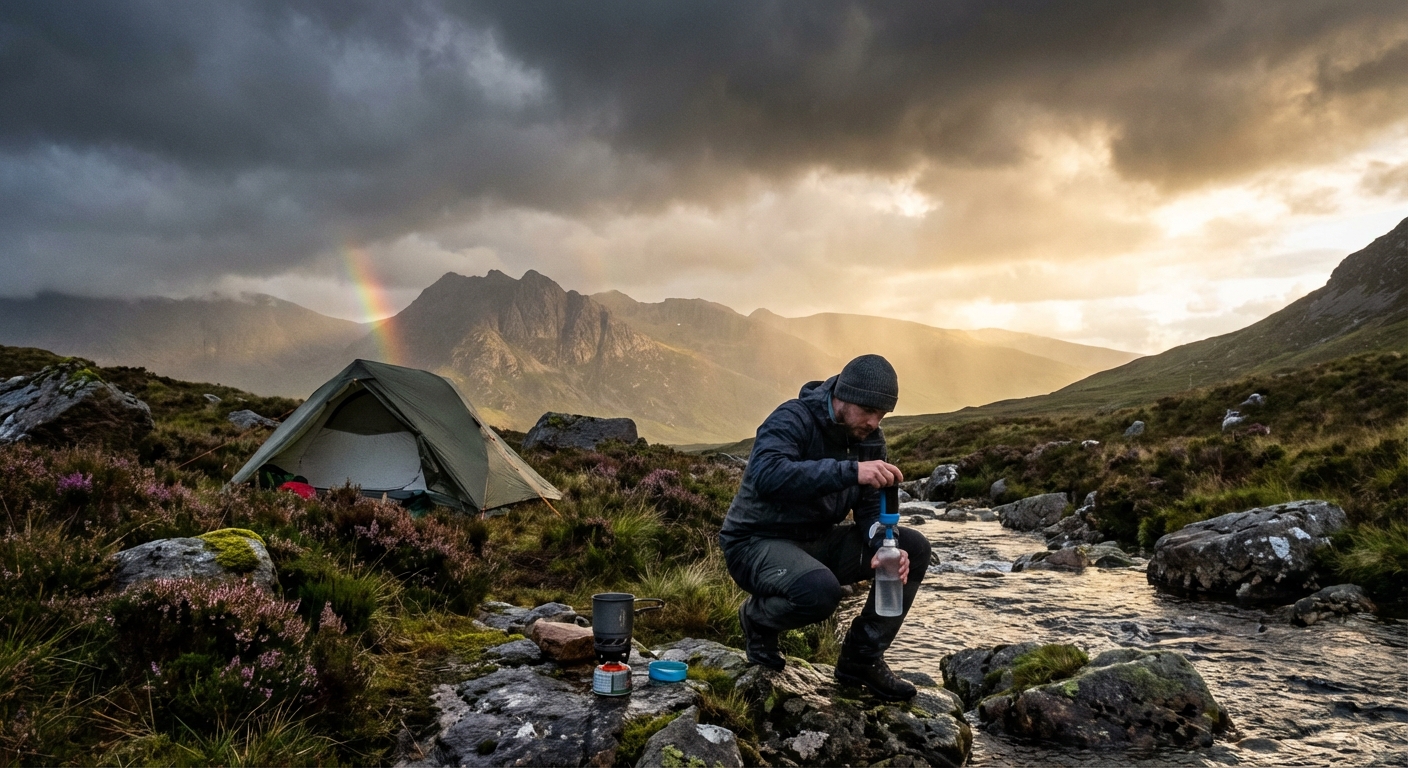
If you’re setting off on a wild camping adventure in the UK, one thing you absolutely cannot overlook is wild camping water purification. Picture this: you’ve pitched your tent beside a babbling brook in the Lake District, the smell of damp earth and pine filling the air, and you’re ready to settle in with a warm meal from your trusty stove. But hold up—drinking untreated water straight from that beautiful stream? Not the best idea. Trust me, a dodgy tummy will soon turn your peaceful night into a soggy nightmare.
In this guide, we’ll dive into everything you need to know about wild camping water purification, from spotting safe water sources to choosing the best purification methods and gear for UK conditions. I’ll share some common mistakes to avoid, practical tips, and even a few product recommendations that can make your next hike safer and more enjoyable. Understanding wild camping water purification is key to staying healthy and hydrated on your outdoor adventures.
Why Wild Camping Water Purification is Essential
When you’re out in the wild, clean drinking water isn’t guaranteed. Even the clearest-looking streams can harbour harmful bacteria, viruses, or parasites like giardia. These microscopic villains can cause serious stomach upsets, dehydration, and ruin your trip faster than a sudden downpour.
In the UK, while waterborne illnesses are less common than in tropical regions, it’s still very important to prioritise wild camping water purification before drinking. Wild camping water purification isn’t just a safety measure; it’s peace of mind.
Waterborne pathogens can lead to symptoms ranging from mild discomfort to severe diarrhoea and dehydration. This is especially risky when you’re miles from medical help. Staying vigilant about your water source and treatment method can prevent these issues and keep your adventure enjoyable.
Plan this properly in 60 seconds
If you want to sanity-check your food plan quickly, the meal planner lets you set days and calories, then shows a balanced, weight-aware plan in under a minute. It's a good way to see if your numbers are in the right ballpark before you refine the details.
This tool complements your water purification planning by ensuring your hydration and nutrition needs align. Proper meal and hydration planning together form the backbone of a successful wild camping trip.
Common Water Sources on UK Trails
Before you start purifying, you’ll need to find water. Here are some typical sources you’ll encounter:
- Streams and rivers: Flowing water is generally cleaner than stagnant, but still needs treatment.
- Lakes and tarns: Often calm and clear, but can contain algae or bacteria.
- Ponds or puddles: Avoid if possible; these are the most likely to be contaminated.
- Rainwater: If collected directly (think tarp or clean container), it’s usually safe.
- Springs: Often considered the cleanest source, but still treat it to be safe.
When wild camping in the UK, it’s best to avoid water too close to livestock or settlements, as contamination risk rises. Always remember that effective wild camping water purification starts with choosing the right source.
It’s also wise to scout water sources ahead of time on your route. Some areas may have fewer reliable sources, so knowing where to find clean water can save time and effort during your hike.
Wild Camping Water Purification Methods: What Works Best?
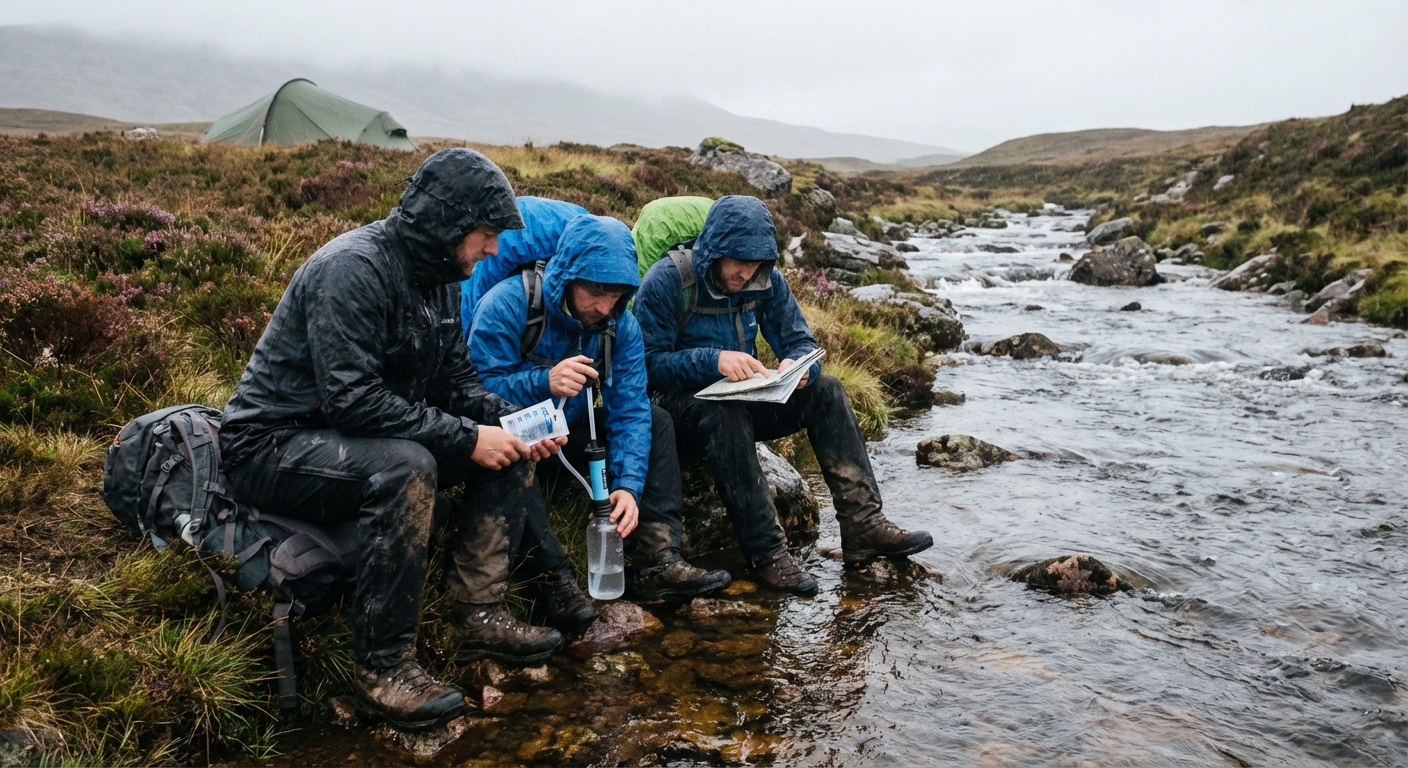
There’s no one-size-fits-all when it comes to wild camping water purification. Your choice depends on your route, backpack weight, water source, and budget. Here’s a breakdown of the most popular methods:
1. Boiling
The oldest trick in the book. Boiling water for at least one minute kills most pathogens. It’s reliable but requires fuel and time, which might be tricky on longer treks.
Pros: Inexpensive, effective
Cons: Time-consuming, fuel-dependent
Boiling remains a cornerstone of wild camping water purification, especially when you have the time and resources. It also improves taste by removing some unpleasant odours.
2. Chemical Treatments
Water purification tablets or drops (iodine, chlorine dioxide) are lightweight and easy to carry. They require waiting times (usually 30 minutes) and can alter taste.
Pros: Lightweight, compact
Cons: Taste, some chemical sensitivity
Chemical treatments are a popular choice for their convenience and portability in wild camping water purification. They are especially handy as a backup method when filters fail or fuel runs out.
3. Filtration Systems
A popular choice among UK hikers for their convenience and effectiveness. Filters physically remove bacteria and protozoa but often don’t handle viruses.
Examples include the LifeStraw Peak Series Compact Gravity Water Filter System 3L and the Sawyer Micro Squeeze Water Filtration System.

LifeStraw Peak Series Compact Gravity Water Filter System 3L

Sawyer Micro Squeeze Water Filtration System - SP2129
Pros: Quick, good taste
Cons: Can clog, limited virus protection
Filtration is a cornerstone of wild camping water purification, especially for solo hikers or small groups. Regular maintenance and pre-filtering cloudy water help keep these systems working well.
4. UV Purifiers
Devices like SteriPEN use UV light to neutralise microorganisms. They’re lightweight but need batteries and clear water.
Pros: Fast, effective
Cons: Battery dependent, expensive
UV purifiers add a modern option to your wild camping water purification toolkit, especially useful for clear water sources. They do not remove sediment, so pre-filtering is necessary.
5. Gravity Purifiers
For group trips or longer stays, gravity purifiers like the MSR Guardian Gravity Purifier offer hands-off purification that can handle viruses and bacteria.
Pros: High capacity, thorough
Cons: Bulky, pricier
Gravity purifiers are excellent for thorough wild camping water purification on extended UK adventures. Their ease of use makes them ideal when you have time to set up camp and want large volumes of purified water.
How to Choose the Right Wild Camping Water Purifier for UK Trails
Selecting the best option depends on:
- Duration and group size: Longer trips or groups benefit from gravity purifiers; solo hikers might prefer lightweight filters.
- Water source quality: If viruses are a concern (e.g., near farms), choose purifiers that handle viruses.
- Weight and space: Ultralight hikers might opt for chemical treatments or small filters.
- Budget: Boiling and chemical treatments cost less upfront; advanced filters and purifiers are pricier but reusable.
Choosing the right method is crucial for effective wild camping water purification and ensuring your hydration stays safe.
Consider also your comfort with the equipment. Some methods require more time or technical know-how, so practicing before your trip is advisable.
Practical Tips for Wild Camping Water Purification in the UK
- Always carry a backup method. Filters clog, tablets run out.
- Pre-filter cloudy water with a bandana or coffee filter before using your purifier.
- Regularly clean and maintain your filter or purifier to extend its life.
- Avoid water sources with visible contamination (foam, dead animals).
- Collect water upstream from your camping spot to avoid contamination.
These tips will help you maintain effective wild camping water purification throughout your trip.
Additionally, avoid collecting water after heavy rains when runoff might increase contamination. Early morning or late afternoon is often best for water collection.
Common Mistakes to Avoid When Purifying Water Outdoors
- Drinking untreated water straight from streams or lakes.
- Forgetting to purify water used for cooking or brushing teeth.
- Not waiting long enough for chemical treatments to work.
- Neglecting filter maintenance, causing clogging or failure.
- Relying on a single method without backup.
Avoiding these pitfalls ensures your wild camping water purification efforts keep you safe.
Remember, even if you feel fine, some infections take time to show symptoms. Prevention is always better than cure.
Wild Camping Water Purification Gear Recommendations
Here are some standout products that combine reliability with practicality for UK wild camping:
- LifeStraw Peak Series Compact Gravity Water Filter System 3L: Ideal for groups and longer trips.
- MSR Guardian Gravity Purifier: Top-tier purification for serious adventurers.
- Sawyer Micro Squeeze Water Filtration System: Lightweight and perfect for solo hikers.
- Adventure Nutrition Self Heating Outdoor Cooker: While not a purifier, it lets you boil water on the go.
For a full range of gear, check out our product catalog.
Using trusted gear is a key part of successful wild camping water purification. Investing in quality equipment can save you from discomfort and health issues on the trail.
Integrating Water Purification into Your Wild Camping Routine
On a typical day, here’s how you can manage your hydration safely:
- Scout for water sources during your hike.
- Collect water in a clean container.
- Pre-filter murky water with a cloth.
- Purify using your chosen method.
- Store purified water in a clean bottle or hydration bladder.
- Stay hydrated regularly to avoid fatigue.
Following this routine ensures consistent and effective wild camping water purification.
Make it a habit to purify water even if you plan to use it for cooking or washing your face. This reduces the risk of ingesting harmful organisms.
Wild Camping Water Purification and Food Safety
Keeping your cooking and eating routines hygienic is just as vital. Use purified water for rehydrating meals like the delicious Adventure Menu Lentil Dhal or Adventure Menu Meatballs with Basmati & Tomato Sauce. It prevents illness and keeps your energy up for those long UK hills.
Food safety and wild camping water purification go hand in hand for a successful trip.
Always wash your hands before preparing or eating food, and avoid cross-contamination between raw and cooked foods. Clean water is essential for these practices.
Planning for Success: Preparing Your Water Purification Kit
Packing a well-thought-out water purification kit means:
- Choosing gear that suits your trip length and terrain.
- Carrying spare filters or tablets.
- Practising with your equipment before heading out.
- Considering weight vs. functionality.
- Checking weather conditions (rainfall can affect water quality).
For meal planning to complement your hydration, explore our meal planner for wild camping.
Good preparation is the foundation of effective wild camping water purification. A well-prepared kit reduces stress and helps you stay safe in unpredictable conditions.
Staying Safe on UK Trails: Additional Water Tips
- Avoid swallowing water while swimming or crossing streams.
- Purify all water, even if it looks pristine.
- Be mindful of local wildlife and livestock contamination.
- Always follow Leave No Trace principles when collecting water.
These safety tips support your overall wild camping water purification strategy.
Respecting the environment also means leaving water sources clean and undisturbed for others to use.
Conclusion: Your Hydration Hero on Wild Camping Adventures
Mastering wild camping water purification is a game-changer for any UK outdoor enthusiast. With the right knowledge and gear, you can sip safely from streams, stay energised, and avoid the dreaded “trail tummy”. Whether you love a quick overnight escape or a week-long trek, prioritising clean water is as important as your tent or sleeping bag.
So next time you plan a wild camping trip, pack your purification system, scout your water sources wisely, and enjoy the peace of mind that comes with safe hydration. After all, nothing beats the feeling of sitting by a crackling fire, with a hot meal and a fresh, clean drink in hand.
Happy wild camping—and stay hydrated!
For safety and planning, it helps to check reputable guidance like Met Office weather guidance, The Countryside Code, and water safety advice from The Drinking Water Inspectorate UK.
Related reading
- Best Wild Camping Sleeping Bag: Stay Toasty on UK Trails
- MSR Hubba Hubba Bikepack 2-Person Tent Review: Lightweight UK Wild Camping Essential
- Top Wild Camping Spots UK: Discover Your Perfect Outdoor Escape
- Best Lightweight Wild Camping Tents UK: Expert Guide for Hikers
- 7-Day Wild Camping Food List for UK Adventures
- 5-Day Wild Camping Food List: Essentials for UK Hikers
Optional examples (if you want a real-world starting point)
- Adventure Menu Chicken in Wild Sauce with Rice
- TORQ Hydration Watermelon (540g)
- TORQ Watermelon Hydration Drink
FAQs About Wild Camping Water Purification
1. What is the safest method for wild camping water purification in the UK?
Boiling water is widely regarded as the safest and most reliable method for wild camping water purification in the UK. Bringing water to a rolling boil for at least one minute kills nearly all pathogens, including bacteria, viruses, and parasites. This method doesn’t rely on specialised equipment, making it accessible and effective. However, it requires fuel and time, which might be challenging on longer treks or when fuel supplies are limited. For longer trips or group adventures, advanced filtration systems like the MSR Guardian Gravity Purifier offer excellent protection without the need for constant fuel, effectively removing viruses and bacteria. Choosing the safest method depends on your trip’s specifics, but boiling remains the gold standard for reliability.
2. Can I drink water directly from UK streams when wild camping?
It’s strongly advised not to drink water directly from UK streams or other natural sources without treating it first. Even if the water looks clear and fresh, it can contain harmful microorganisms such as bacteria, viruses, and parasites that cause illnesses like giardia or cryptosporidium. These can lead to severe stomach upset, dehydration, and other health issues. Treating water through boiling, filtration, chemical tablets, or UV purification significantly reduces these risks. Always assume that untreated water is unsafe, especially when camping in remote areas where medical help might be far away. Carrying a reliable purification method is essential for safe hydration.
3. How long do chemical water purification tablets take to work?
Chemical water purification tablets, such as those containing iodine or chlorine dioxide, generally require about 30 minutes to effectively neutralise most pathogens in water. Some brands recommend waiting up to 4 hours to ensure viruses are fully inactivated. The exact time depends on the chemical used, water temperature, and clarity. Cold or murky water might require longer treatment times. It’s important to follow the manufacturer’s instructions carefully for the best results. While chemical treatments are lightweight and convenient, the taste of treated water can be altered, and some people may be sensitive to the chemicals. Always carry a backup purification method in case tablets are insufficient or unavailable.
4. How do I maintain my water filter during a multi-day wild camping trip?
Maintaining your water filter during a multi-day trip is critical to ensure it continues working effectively. Regularly backflush the filter with clean water to clear out trapped sediment and prevent clogging. Avoid filtering heavily sedimented or muddy water without pre-filtering through a bandana or coffee filter to reduce debris. After use, store the filter dry if possible to prevent mould or bacterial growth inside. Some filters come with cleaning kits or brushes—use these as recommended. Inspect seals and hoses for damage before and during your trip. Proper maintenance extends the life of your filter and ensures consistent purification performance throughout your adventure.
5. Are UV water purifiers practical for UK wild camping?
UV water purifiers, such as SteriPEN devices, are practical for UK wild camping under certain conditions. They are lightweight, fast, and effective at neutralising bacteria, viruses, and protozoa using ultraviolet light. However, they require batteries or a power source, which can be a limitation on longer trips without recharging options. UV purifiers also need clear water to work effectively, so pre-filtering murky water is necessary. They do not remove sediment or chemicals, so water clarity is essential. UV purifiers are excellent as a backup or for short trips where weight and speed are priorities, but relying solely on them in remote areas may not be ideal without an alternative method.
Related articles
Lightweight Camping Gear Checklist for UK Hikes
A practical UK hiking gear checklist that keeps pack weight down without forgetting the food, stove, water, and safety basics that…
Published 8 May 2026
High Calorie Hiking Snacks for Long Distance: What Is Actually Worth Carrying?
A practical guide to high calorie hiking snacks for long-distance trips, focused on calorie density, pack efficiency, repetition…
Published 25 Apr 2026
No-Cook Hiking Food Ideas UK: How to Eat Well Without Carrying a Stove
A practical guide to no-cook hiking food for UK trips, including where it saves weight and faff, and where a hot meal still earns its place.
Published 25 Apr 2026
Vegetarian Freeze-Dried Meals Review: Which Ones Are Actually Worth Carrying?
A practical review of vegetarian freeze-dried meals for hikers who want real calories, decent protein, and meals that actually justify…
Published 25 Apr 2026
Turn this advice into a usable food plan
Open the meal planner
Apply trip length, calorie targets, and dietary preferences to a generated meal plan built from real products.
Build a food planCompare products in the catalog
Use the catalog and product pages to compare weights, calories, and meal types related to this topic.
Browse real products