Coeliac Friendly Backpacking Food Tips for UK Hikers
Practical coeliac friendly backpacking food tips for UK hikers, including safe meal ideas, cross-contamination checks, and a simple trail-food structure that actually works.
On this page

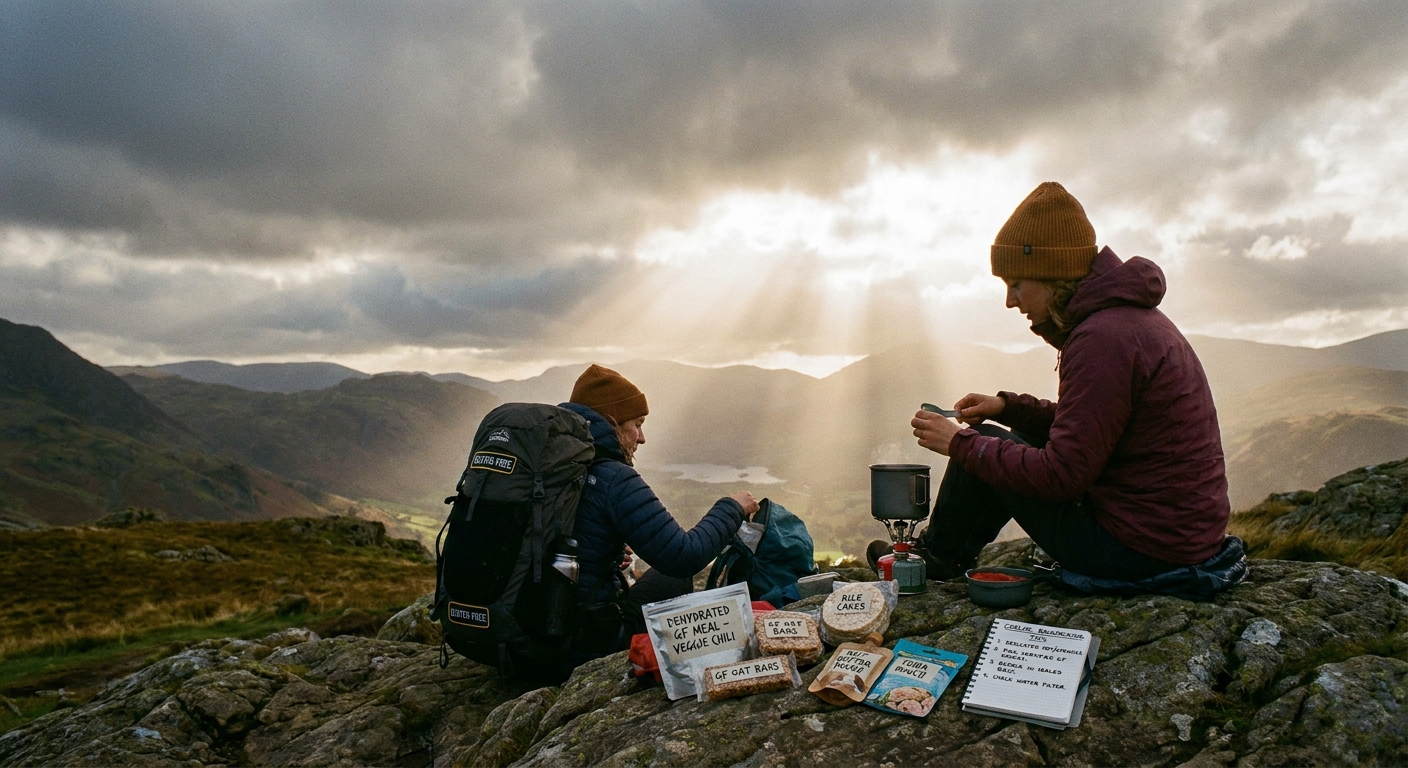
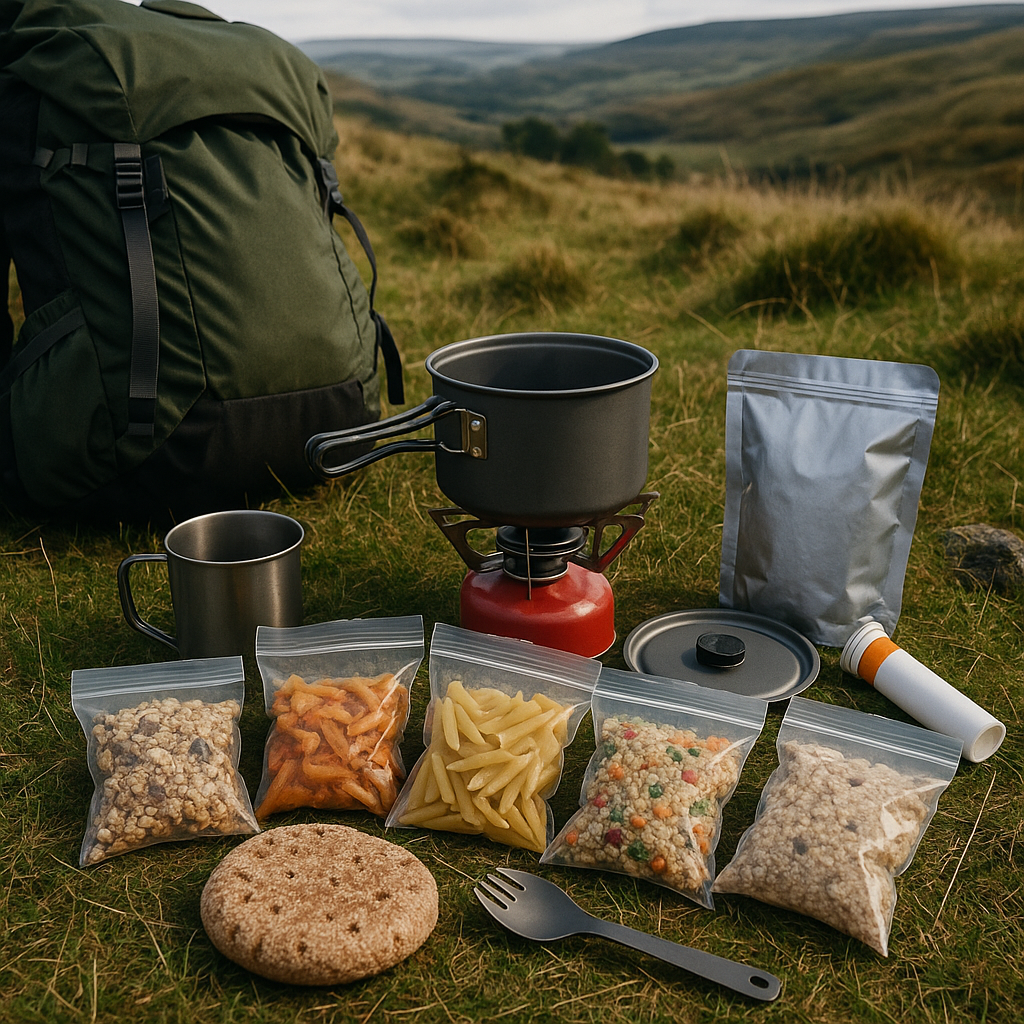
If you have coeliac disease, trail food needs to do two jobs at once. It has to keep pack weight sensible and energy intake high, but it also has to be reliably gluten free when you are miles from the nearest shop, cafe, or sensible backup plan.
That changes the usual backpacking advice a bit. “Just grab some bars and a freeze-dried meal” is fine until one snack has barley malt in it, a sauce thickener catches you out, or shared kit turns dinner into a bad idea.
This guide keeps it practical. It covers how to choose safe gluten-free backpacking food, how to avoid cross-contamination on UK trips, and how to build a simple trail menu that still feels worth eating.
The short version
- Prioritise certified gluten-free foods and avoid anything vague or unlabelled.
- Build your plan around naturally gluten-free staples like rice, potatoes, oats labelled gluten free, nuts, dried fruit, lentils, and beans.
- Keep one or two backup meals and extra snacks in case weather, delays, or appetite changes wreck the original plan.
- Separate your food and utensils properly if hiking with other people.
- Use the meal planner to test calories and trip length before buying a pile of expensive pouches.
What makes backpacking food coeliac friendly?
For coeliac hikers, “probably fine” is not fine. Food needs to be clearly gluten free, practical to carry, and realistic to prepare outdoors.
That usually means checking for:
- clear gluten-free labelling
- ingredient lists without wheat, barley, rye, or vague flavouring traps
- sensible calorie return for the weight
- packaging that survives damp UK weather
- meals you would actually want to eat after a long day
A food can be technically gluten free and still be a poor trail choice. If it is bulky, low calorie, fragile, or leaves you hungry again in half an hour, it is not doing enough work.
The main risks on UK backpacking trips
The obvious risk is accidental gluten exposure from ingredients. The less obvious one is cross-contamination.
That shows up in places like:
- shared peanut butter, spreads, or snack bags
- communal stoves, pots, and sporks
- “gluten-free” supermarket snacks with weak labelling
- meal prep at home on a surface that has already seen bread or wraps
- resupply food bought quickly at petrol stations or village shops with poor choice
If you are camping or hiking with other people, the easy rule is this: treat your food system as separate. Separate bag, separate utensils, separate burner setup if needed. Mildly antisocial, but better than writing off the trip by lunchtime.
Best types of coeliac-friendly backpacking food
1. Gluten-free breakfasts that are easy to trust
Breakfast is usually the easiest meal to sort.
Good options include:
- gluten-free porridge pots or sachets
- labelled gluten-free oats with milk powder and dried fruit packed at home
- rice porridge options such as Adventure Menu Rice porridge with raspberries, plums and cinnamon
- nut butter sachets with banana chips or dried fruit
Breakfast wants to be simple, warm if possible, and hard to mess up. This is not the place for cleverness.
2. No-cook lunches that do not fall apart
Lunch is where convenience matters most. You want food you can eat in wind, drizzle, or a short stop without a faffy cleanup routine.
Good options include:
- gluten-free wraps with nut butter or hard cheese if the trip is short enough
- nuts, seeds, dried fruit, and gluten-free flapjacks or bars
- jerky or biltong that is clearly labelled gluten free
- rice cakes packed inside a rigid container so they do not become dust halfway through the walk
This is also where it pays to carry a few “boring but safe” foods. Backpacking food does not have to be thrilling. It just has to work.
3. Hot gluten-free dinners that feel earned
Dinner is the meal where specialist products usually make the most sense. A reliable gluten-free hot meal is worth more at camp than at lunch, especially in cold or wet conditions.
A few stronger options from the current catalogue are:
- Adventure Menu Tandoori Quinoa - VEGAN
- Adventure Menu Vegetable Risotto with Tofu
- Pro Ration Chicken In Wild Sauce And Rice MRE
The point is not to stuff product links into every paragraph and hope for the best. It is to choose meals that solve a real problem: safe ingredients, decent calories, and minimal camp-admin when your legs are done.
A simple one-day food structure
If you want a dead-simple template, this works well for many UK overnighters and weekend trips:
- Breakfast: gluten-free porridge or rice porridge, plus coffee or tea
- Morning snack: nuts and dried fruit
- Lunch: gluten-free wrap, rice cakes, or a bar plus something savoury
- Afternoon snack: a second bar, jerky, or trail mix
- Dinner: one clearly labelled gluten-free hot meal
- Backup calories: chocolate, extra nuts, or one emergency meal pouch
That is not glamorous, but it is robust. Backpacking food should survive bad weather, tired decision-making, and the fact that campsites do not care about your dietary admin.
How to pack food safely if you are coeliac
A few habits make a disproportionate difference:
Pack food by meal, not by category
Group breakfast, lunch, dinner, and snack items into separate meal bags. That reduces rummaging and lowers the chance of mixing your food with everyone else’s.
Label home-packed food properly
If you decant oats, trail mix, or dehydrated ingredients at home, label them. “I’ll remember what this is” is optimistic at best on day two in sideways rain.
Keep one emergency reserve
Carry one extra safe dinner and one extra safe snack that you do not touch unless the trip genuinely needs it. Delays happen. Appetite changes. Shops disappoint. The reserve stops that turning into a problem.
Protect food from damp
UK weather does not need an introduction. Use proper zip bags or dry-bag storage so snacks and breakfast items do not become a sad gluey mess.
Common mistakes worth avoiding
Buying “health food” instead of actual trail food
Some gluten-free supermarket products are fine nutritionally, but awful for backpacking. They can be bulky, expensive, fragile, and oddly low in calories.
Assuming outdoor food brands are automatically safe
They are not. Outdoor branding is not the same thing as gluten-free certification.
Taking too little snack food
This catches people constantly. If your meals are safe but your between-meal calories are weak, the whole plan starts to wobble.
Not testing meals before a bigger trip
Do not make a remote multi-day route the first time you try a new meal. Test it on a short trip or even at home first. Better to find out now that it tastes grim or does not sit well.
Planning for weather, appetite, and morale
Cold, wet UK conditions usually push hikers toward hot, salty, easy food. Warm weather often makes lunch harder to eat and snacking easier.
That means a good coeliac-friendly setup usually has:
- one proper hot dinner per day
- snacks you can eat on the move without prep
- a breakfast you will still tolerate when appetite is low
- at least one comfort item that feels less functional and more human
A food plan that works only in perfect weather is not much of a plan.
Using Trail Meals without making the article weirdly salesy
If you want the fastest route to a workable plan, use the meal planner first, then browse the catalog for meals that are clearly labelled and appropriate for your trip.
That order matters.
Planning first helps you avoid the classic mistake of buying random pouches, then discovering you have overspent, underbought snacks, and somehow built a food system around optimism.
For adjacent reading, Gluten Free Hiking Meals UK is the closest related guide, and the 7-Day Wild Camping Food List for UK Adventures is useful if you are trying to turn one safe meal into a fuller multi-day menu.
FAQ
What is the safest backpacking food strategy for someone with coeliac disease?
The safest strategy is to use clearly labelled gluten-free foods, keep your kit separate, and avoid improvising with vague resupply options once you are already on the route.
Are freeze-dried meals safe for coeliac hikers?
Some are, some are not. Only treat them as safe if the labelling is clear and the ingredients stack up properly.
What are the easiest gluten-free snacks for UK hikes?
Nuts, dried fruit, gluten-free bars, jerky, rice cakes, and nut butter sachets are usually the easiest reliable options.
How do I avoid cross-contamination on a group trip?
Keep your food, utensils, stove setup, and meal bags separate, and do not rely on shared spreads or shared cookware unless you have cleaned and controlled them properly.
Is supermarket food enough for a coeliac backpacking trip?
Sometimes, yes. But specialist trail meals often make dinner much easier, especially in cold or wet conditions where you want fast calories and less faff.
Related articles
Lightweight Camping Gear Checklist for UK Hikes
A practical UK hiking gear checklist that keeps pack weight down without forgetting the food, stove, water, and safety basics that…
Published 8 May 2026
High Calorie Hiking Snacks for Long Distance: What Is Actually Worth Carrying?
A practical guide to high calorie hiking snacks for long-distance trips, focused on calorie density, pack efficiency, repetition…
Published 25 Apr 2026
No-Cook Hiking Food Ideas UK: How to Eat Well Without Carrying a Stove
A practical guide to no-cook hiking food for UK trips, including where it saves weight and faff, and where a hot meal still earns its place.
Published 25 Apr 2026
Vegetarian Freeze-Dried Meals Review: Which Ones Are Actually Worth Carrying?
A practical review of vegetarian freeze-dried meals for hikers who want real calories, decent protein, and meals that actually justify…
Published 25 Apr 2026
Turn this advice into a usable food plan
Open the meal planner
Apply trip length, calorie targets, and dietary preferences to a generated meal plan built from real products.
Build a food planCompare products in the catalog
Use the catalog and product pages to compare weights, calories, and meal types related to this topic.
Browse real products