5-Day Wild Camping Food List: Essentials for UK Hikers
Plan your 5-day wild camping food list with easy, nutritious meals perfect for UK hiking trips. Stay fuelled, light, and happy on the trail!
On this page

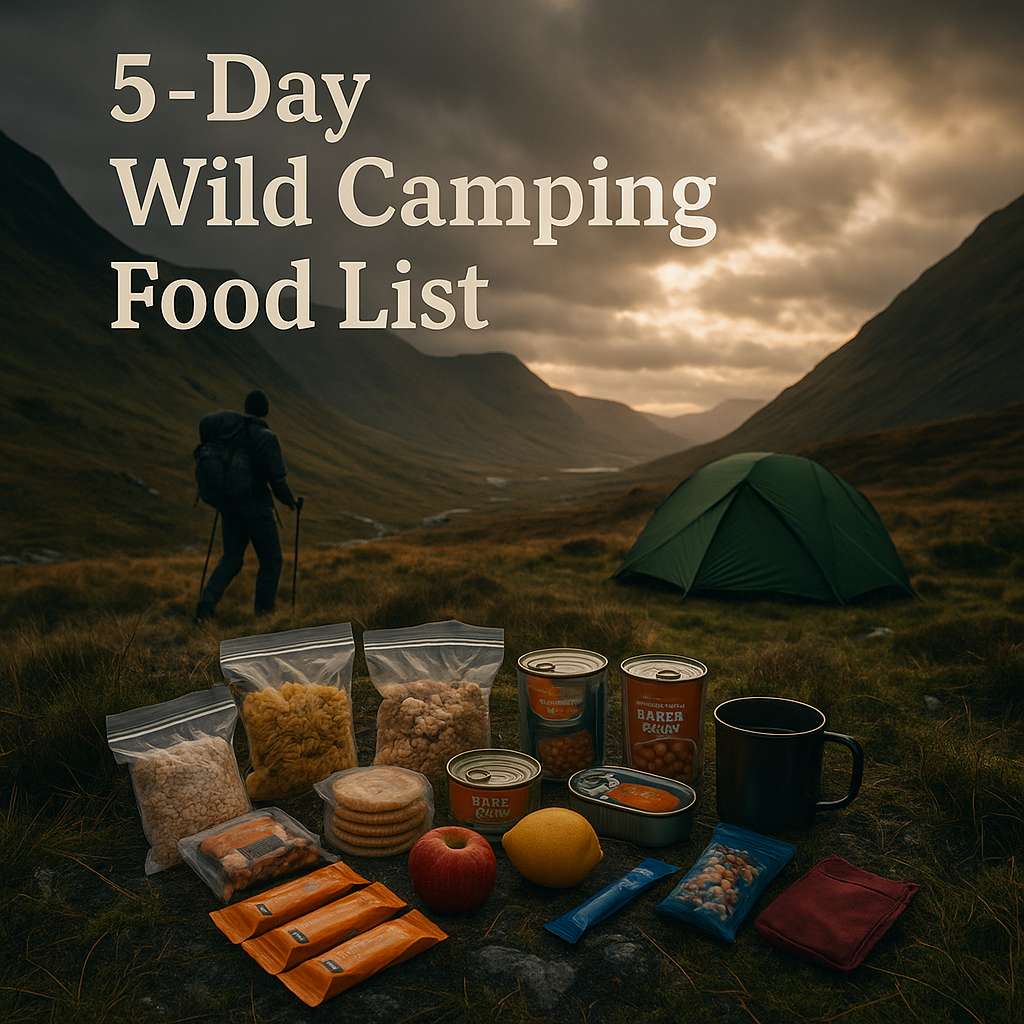
If you’re gearing up for a proper UK wild camping adventure, nailing your 5-day wild camping food list is just as crucial as picking the right boots or tent. After all, nothing spoils a great trip faster than a rumbling belly or a bag so heavy it drags you down every hill. Whether you’re trekking through the Lake District, exploring the Scottish Highlands, or wandering the Peak District, the right food choices can make all the difference.
In this guide, we’ll break down how to build a nutritious, lightweight, and delicious 5-day wild camping food list that keeps your energy high and your pack manageable. Plus, I’ll share some common mistakes to avoid, practical planning tips, and a few tasty recipe ideas that feel like a treat after a day on the trail.
Why Your 5-Day Wild Camping Food List Matters
Your 5-day wild camping food list is the backbone of your trip’s success. It’s not just about calories—it’s about morale, enjoyment, and keeping your body fuelled for the next day’s trek. A well-planned 5-day wild camping food list ensures you have reliable, easy-to-prepare meals that withstand the unpredictable UK weather and limited access to shops.
Good food choices help maintain your energy levels, aid recovery, and keep spirits high. When you’re deep in the wilderness, a satisfying meal can be as comforting as the scenery. Conversely, poor planning can lead to fatigue, irritability, and even health issues.
Plan this properly in 60 seconds
If you want to sanity-check your food plan quickly, the meal planner lets you set days and calories, then shows a balanced, weight-aware plan in under a minute. It's a good way to see if your 5-day wild camping food list numbers are in the right ballpark before you refine the details.
Imagine this: you’ve just pitched your tent beside a shimmering loch after a long day’s hike. The sunset paints the sky orange, but all you can think about is dinner. Your stomach grumbles, but your food is a soggy mess, or worse, you’ve got nothing appealing to eat. That’s why a solid 5-day wild camping food list isn’t just about calories—it’s about morale, enjoyment, and keeping your body fuelled for the next day’s trek.
UK wild camping often means unpredictable weather and limited access to shops. You want food that’s reliable, easy to prepare, and keeps well in your pack. Plus, it’s a chance to enjoy some hearty, comforting meals after a brisk day in the great outdoors.
How to Plan Your 5-Day Wild Camping Food List
Balance Nutrition and Weight
Wild camping food needs to tick two boxes: it must be nutritious and lightweight. You need enough carbs for energy, protein for muscle repair, and fats for sustained fuel. Dehydrated meals, energy bars, nuts, and freeze-dried fruits are your best friends here. When assembling your 5-day wild camping food list, focus on foods that offer a high calorie-to-weight ratio to keep your pack light without sacrificing energy.
Remember to include a variety of food groups to avoid nutritional gaps. For example, combine grains with nuts and dried fruits to cover carbohydrates, fats, and vitamins. This balance helps maintain stamina and supports your immune system during strenuous activity.
Consider Meal Types
Break your meals into:
- Breakfasts: Quick, warm, or cold options to kickstart your day.
- Lunches: Lightweight and easy to eat on the move.
- Dinners: More substantial, requiring minimal cooking.
- Snacks: High-energy bites to keep you going.
Planning your 5-day wild camping food list around these meal types helps maintain variety and ensures you’re never caught hungry or bored. It also makes packing easier and meal prep more efficient.
Pack Smart
Use resealable bags or small containers to portion your meals and keep moisture out. Don’t forget essentials like salt, pepper, and a bit of oil or butter for flavour. Smart packing is key to a successful 5-day wild camping food list—it keeps your food fresh and your pack organised.
Label your bags clearly and group meals by day to avoid confusion. Compress bulky items where possible to save space. Also, consider double-bagging items prone to leakage to protect other gear.
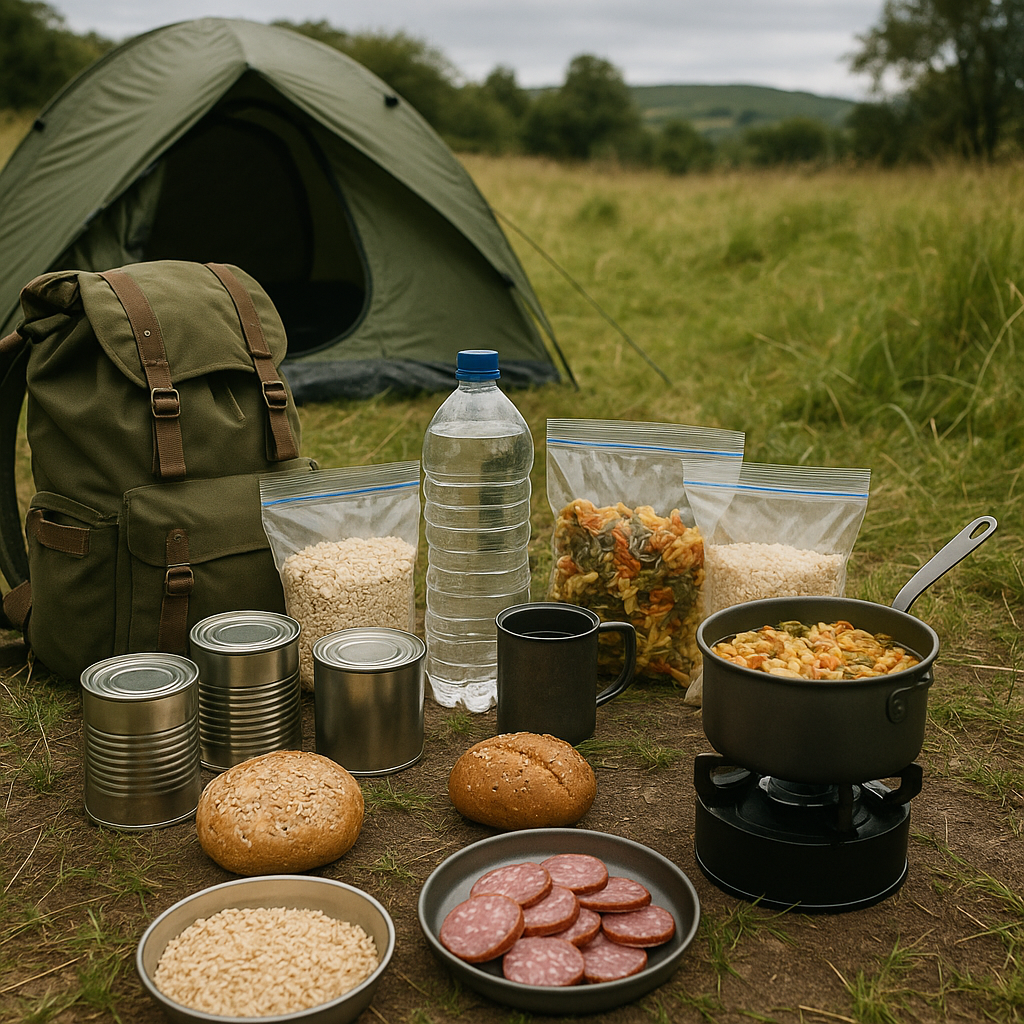
Essential Items for Your 5-Day Wild Camping Food List
Here’s a practical list to get you started. I’ve included options you can pick up easily in the UK and some you might want to order from specialist suppliers.
Breakfast
- Porridge oats (instant or regular)
- Powdered milk or powdered plant-based milk
- Freeze-dried fruit (strawberries, blueberries)
- Honey or maple syrup sachets
- Instant coffee or tea bags
Breakfast is your fuel for the day, so choose options that are quick and comforting. Porridge is a classic for a reason—it’s filling, warming, and easy to prepare with just boiling water.
Lunch
- Wholegrain wraps or flatbreads
- Hard cheese (like cheddar) or vegan alternatives
- Cured meats (salami, chorizo) or smoked tofu
- Nut butters (peanut butter or almond butter sachets)
- Trail mix or mixed nuts
Lunch should be lightweight and easy to eat on the move. Wraps filled with cheese and cured meats are satisfying and don’t require refrigeration for a few days.
Dinner
- Freeze-dried meals such as Adventure Menu Chicken in Wild Sauce with Rice or Adventure Menu Meatballs with Basmati & Tomato Sauce
- Instant noodles or couscous
- Dehydrated vegetables or soups
- Instant mashed potatoes
Dinner is your chance to relax and refuel properly. Freeze-dried meals are convenient and tasty, but supplement them with instant carbs and veggies for variety and nutrition.
Snacks
- Energy bars (look for balanced macros)
- Dark chocolate squares
- Dried fruit (mango, apricots)
- Electrolyte drink powders
Snacks keep your energy levels steady between meals. Choose a mix of sweet, salty, and nutrient-dense options to satisfy cravings and replenish electrolytes.
This selection forms a balanced 5-day wild camping food list that’s easy to carry and prepare, ensuring you stay nourished throughout your trip.
Cooking Gear for Wild Camping Food Prep
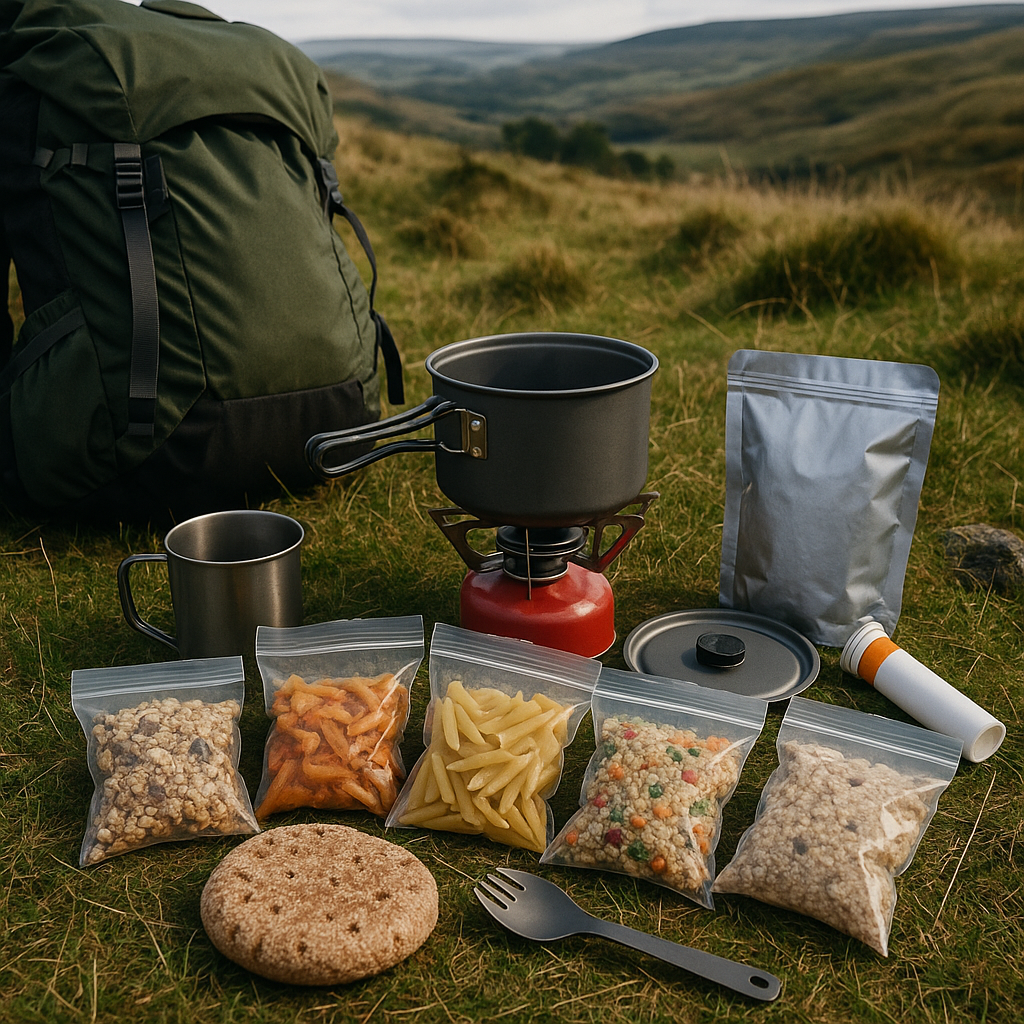
A lightweight, reliable cooking setup makes all the difference. Something like the MSR Trail Mini Duo Cook Set is perfect for 1-2 people, super compact, and easy to clean. It’s ideal for boiling water for porridge, rehydrating meals, or warming up soups.
And if you want a fuss-free option, check out the Adventure Nutrition Self Heating Outdoor Cooker. No stove needed—just add water, and you’ve got a hot meal in minutes. Perfect for those chilly Scottish evenings.
Don’t forget essentials like a windscreen for your stove, a lightweight spork, and a small cutting board if you like prepping fresh ingredients. These small items improve your cooking experience without adding much weight.
Having the right gear complements your 5-day wild camping food list by making meal prep quick and enjoyable.
Common Mistakes When Planning Your 5-Day Wild Camping Food List
- Overpacking food: It’s tempting to bring too much “just in case,” but every extra gram slows you down. Keep your 5-day wild camping food list lean and efficient.
- Ignoring food weight: Some tasty items like fresh bread or heavy tins aren’t practical for wild camping. Stick to lightweight options on your 5-day wild camping food list.
- Not testing meals: Always try your meals at home first. You don’t want to discover you hate the taste halfway through your trip. Test your 5-day wild camping food list thoroughly.
- Skipping hydration planning: Food rehydration needs water—make sure you have a reliable water filter like the LifeStraw Peak Series Compact Gravity Water Filter System 3L.
- Forgetting variety: Eating the same thing repeatedly can be demoralising. Mix up flavours and textures to keep meals enjoyable.
- Neglecting food storage: Improper storage can lead to soggy or spoiled food, ruining your meals and adding weight.
Avoiding these pitfalls ensures your 5-day wild camping food list supports a smooth, enjoyable trip.
Sample 5-Day Wild Camping Food Menu
Here’s a realistic menu with UK wild camping in mind, designed around a balanced 5-day wild camping food list:
| Day | Breakfast | Lunch | Dinner | Snacks |
|---|---|---|---|---|
| 1 | Porridge + honey | Wrap with cheese & salami | Adventure Menu Chicken in Wild Sauce | Trail mix + dark chocolate |
| 2 | Instant oats + powdered milk | Nut butter & dried fruit wrap | Freeze-dried meatballs with rice | Energy bar + dried mango |
| 3 | Instant coffee + porridge | Cheese & cured meats | Instant noodles + dehydrated veg | Mixed nuts + chocolate |
| 4 | Porridge + freeze-dried berries | Peanut butter wrap | Instant mashed potatoes + soup | Energy gel + dried apricots |
| 5 | Tea + oats | Leftover wraps or trail mix | Adventure Menu Meatballs with Basmati | Trail bar + nuts |
This menu reflects a well-rounded 5-day wild camping food list that balances nutrition, weight, and taste. Feel free to swap items based on personal preferences or dietary requirements.
Tips for Keeping Your Food Fresh and Packable
- Vacuum-seal or use airtight bags to protect food from moisture.
- Divide meals into day-sized portions so you’re not digging through your pack.
- Use biodegradable bags where possible to keep your campsite tidy.
- Store strong-smelling foods away from your sleeping area to avoid curious wildlife visitors.
- Keep food off the ground and away from damp areas to prevent spoilage.
- Use odour-proof bags if camping in areas with active wildlife.
These tips help maintain the integrity of your 5-day wild camping food list throughout your adventure.
How to Stay Energised on the Trail with Your Food List
Energy needs vary depending on terrain, weather, and your pace. The hilly routes in the Scottish Highlands demand more fuel than a gentle stroll through the Cotswolds. Always carry extra snacks, and listen to your body—it knows best!
Including a variety of carbs, protein, and fats in every meal helps maintain steady energy levels. For muscle recovery after a long day, check out our post on Best Protein Trail Food for Muscle Recovery.
Hydration is equally important—drink regularly and consider electrolyte supplements to replace lost salts. Adjust your food intake based on how strenuous the day has been and your personal hunger cues.
Your 5-day wild camping food list should be flexible enough to adapt to your energy demands on the trail.
Wild Camping Food Storage and Wildlife Safety
Remember, wild camping in the UK means sharing the landscape with curious critters. Always store food in sealed containers, hang your food bag from a tree where possible, or use bear-proof bags if you’re in areas with larger wildlife (yes, even in the UK, foxes and badgers can be persistent!).
Leave no trace by packing out all rubbish and leftover food. Avoid leaving food scraps that might attract animals to your campsite.
Proper storage is a vital part of your 5-day wild camping food list planning to protect both your food and local wildlife. It also helps preserve the natural environment for future campers.
Planning Your Food with Trail-Meals.co.uk
If you want to simplify your meal planning, our handy meal planner can help you create a tailored 5-day wild camping food list based on your trip length, dietary preferences, and cooking setup.
Browse our product catalog for convenient ready-to-eat meals, snacks, and cooking gear to make your wild camping trip a breeze. We offer a range of options suitable for different tastes and dietary needs.
Using these tools can save time and ensure you don’t forget any essentials, letting you focus on enjoying your adventure.
Conclusion: Your Perfect 5-Day Wild Camping Food List Awaits
Crafting a smart 5-day wild camping food list is one of the best ways to enhance your UK hiking experience. With a bit of planning, you can enjoy tasty, nourishing meals that’re light to carry and simple to prepare. Keep your menu balanced, pack sensibly, and don’t forget the snacks!
Your next wild camping trip deserves great food as much as beautiful views. Happy trails and bon appétit!
Frequently Asked Questions about 5-Day Wild Camping Food Lists
1. What are the best lightweight foods for a 5-day wild camping trip?
The best lightweight foods combine high energy density with good nutrition. Dehydrated meals and freeze-dried fruits are excellent because they weigh very little but rehydrate into filling meals. Instant porridge oats provide a great carb base for breakfast, while nut butters and mixed nuts offer fats and protein. Energy bars are convenient for quick snacks, and dried fruits add natural sugars and vitamins. These foods don’t spoil easily and are easy to pack, making them ideal for a 5-day wild camping trip. Choosing a mix of these items ensures you stay energised without carrying unnecessary weight.
2. Can I rely on freeze-dried meals for all five days?
Freeze-dried meals are a fantastic option for wild camping because they are lightweight, nutritious, and simple to prepare. However, relying solely on them can become monotonous. It’s best to mix freeze-dried meals with fresh or semi-fresh items like hard cheese, cured meats, or wraps to add variety and keep meals interesting. This also helps balance your diet with different textures and flavours, which can boost morale on longer trips. Plus, adding some fresh or semi-fresh foods can provide additional nutrients that freeze-dried meals may lack.
3. How much food should I pack for a 5-day wild camping trip?
Food requirements vary based on your metabolism, terrain, and activity level, but a general guideline is to carry about 1.5 to 2 kilograms of food per day. This amount provides enough calories to maintain energy without overburdening your pack. Portion your meals carefully, considering the calorie-to-weight ratio, and include extra snacks for emergencies or particularly demanding days. Testing your planned food load before the trip can help you adjust quantities and avoid carrying too much or too little.
4. How do I keep my food safe from wildlife?
To keep food safe from UK wildlife such as foxes, badgers, and birds, store all food in sealed containers or airtight bags. When possible, hang your food bag from a sturdy tree branch at least 2 metres off the ground and away from your tent. Avoid leaving food scraps or wrappers around your campsite. In some areas, using bear-proof containers or bags is advisable. Always follow local guidelines and practice Leave No Trace principles to protect both your food and the environment. Proper food storage also helps prevent attracting unwanted visitors to your campsite.
5. What cooking gear do I need for preparing my wild camping meals?
For a 5-day wild camping trip, a lightweight stove with a compact cook set like the MSR Trail Mini Duo Cook Set is ideal. It allows you to boil water quickly for porridge, rehydrate meals, and warm soups. If you prefer minimal fuss, self-heating meals like the Adventure Nutrition Self Heating Outdoor Cooker require no stove—just add water. Don’t forget essentials such as a windscreen, lighter or matches, and a lightweight spork. These items keep cooking efficient without adding unnecessary weight, making meal prep easier and more enjoyable on the trail.
Related reading
For safety and planning, it helps to check reputable guidance like Met Office weather guidance and The Countryside Code.
FAQ
What are the best lightweight foods for a 5-day wild camping trip?
For a 5-day wild camping trip, the best lightweight foods are those that offer a high calorie-to-weight ratio and balanced nutrition. Dehydrated and freeze-dried meals are excellent choices because they are compact, easy to prepare, and provide essential nutrients. Instant porridge oats make a great breakfast staple, while nut butters and mixed nuts supply healthy fats and protein. Energy bars and dried fruits are convenient for quick snacks and help maintain energy levels on the move. These foods typically have a long shelf life, don’t require refrigeration, and minimize pack weight, which is crucial for comfort and endurance during multi-day hikes.
Can I rely on freeze-dried meals for all five days?
While freeze-dried meals are convenient, lightweight, and nutritious, relying on them exclusively for all five days might lead to taste fatigue and limited dietary variety. It’s best to combine freeze-dried options with other foods like hard cheeses, cured meats, wraps, or nut butters to add texture, flavour, and additional nutrients. This variety can improve morale and make meals more enjoyable, which is important on longer trips. Including some fresh or semi-fresh items, where practical, also helps balance your diet and keeps your palate interested throughout your wild camping adventure.
How much food should I pack for a 5-day wild camping trip?
A good rule of thumb is to pack roughly 1.5 to 2 kilograms of food per day, depending on your metabolism, activity level, and the terrain. This amount generally provides sufficient calories to maintain energy without overloading your pack. It’s important to consider the calorie density of your chosen foods and include extra snacks for high-energy needs or unexpected delays. Testing your planned food quantities before the trip helps ensure you’re neither under- nor over-packed. Adjust portions based on your personal hunger cues and the intensity of your daily hiking.
How do I keep my food safe from wildlife?
To protect your food from UK wildlife such as foxes, badgers, and birds, always store it in sealed, airtight containers or bags. When possible, hang your food bag from a tree branch at least two metres off the ground and away from your sleeping area. Avoid leaving any food scraps, wrappers, or strong-smelling items around your campsite, as these attract animals. In some locations, using bear-proof or wildlife-resistant containers is recommended. Following Leave No Trace principles and local guidelines not only safeguards your food but also helps preserve the natural environment and reduces wildlife habituation to human food.
What cooking gear do I need for preparing my wild camping meals?
For a 5-day wild camping trip, a lightweight and compact stove with a small cook set, such as the MSR Trail Mini Duo Cook Set, is ideal. This setup allows you to boil water quickly for porridge, rehydrate freeze-dried meals, and warm soups. If you prefer a no-fuss option, self-heating meals require no stove—just add water. Essential accessories include a windscreen to protect your flame, a reliable lighter or matches, and a lightweight spork or utensil. These items keep cooking simple, efficient, and lightweight, helping you enjoy hot, nourishing meals without adding unnecessary bulk to your pack.
Related articles
Lightweight Camping Gear Checklist for UK Hikes
A practical UK hiking gear checklist that keeps pack weight down without forgetting the food, stove, water, and safety basics that…
Published 8 May 2026
High Calorie Hiking Snacks for Long Distance: What Is Actually Worth Carrying?
A practical guide to high calorie hiking snacks for long-distance trips, focused on calorie density, pack efficiency, repetition…
Published 25 Apr 2026

No-Cook Hiking Food Ideas UK: How to Eat Well Without Carrying a Stove
A practical guide to no-cook hiking food for UK trips, including where it saves weight and faff, and where a hot meal still earns its place.
Published 25 Apr 2026
Vegetarian Freeze-Dried Meals Review: Which Ones Are Actually Worth Carrying?
A practical review of vegetarian freeze-dried meals for hikers who want real calories, decent protein, and meals that actually justify…
Published 25 Apr 2026
Turn this advice into a usable food plan
Open the meal planner
Apply trip length, calorie targets, and dietary preferences to a generated meal plan built from real products.
Build a food planCompare products in the catalog
Use the catalog and product pages to compare weights, calories, and meal types related to this topic.
Browse real products