Top Wild Camping Spots UK: Discover Your Perfect Outdoor Escape
Explore the best wild camping spots UK has to offer with practical tips, top locations, and planning advice for your next adventure.
On this page
Wild Camping Spots UK: Discover Your Perfect Outdoor Escape

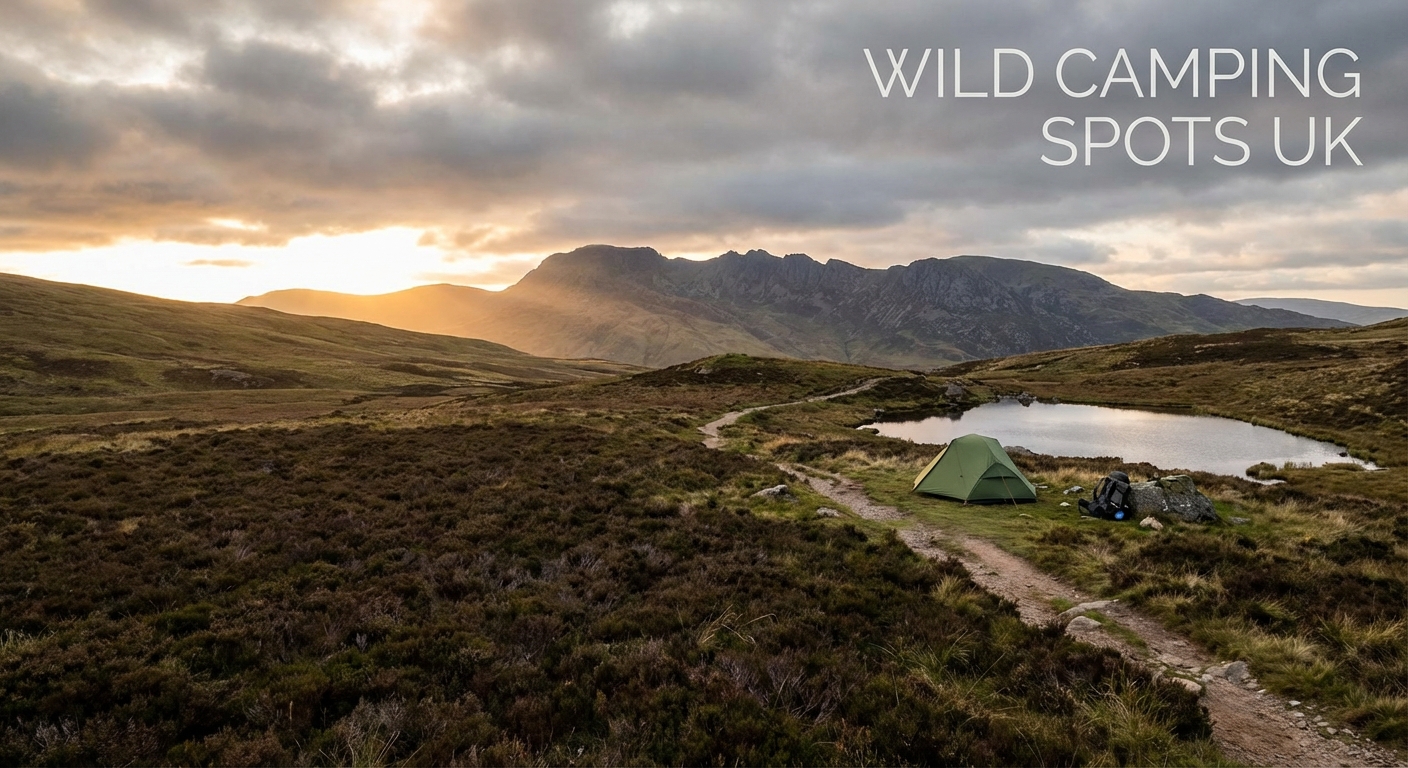
If you’re itching to trade the humdrum of daily life for a night under the stars, hunting out the best wild camping spots UK offers is a brilliant place to start. There’s something wonderfully freeing about pitching your tent in a remote corner of the countryside, where the only neighbours are sheep or perhaps a curious fox. Whether you’re a seasoned nomad or a newbie looking to get your boots muddy, this guide covers everything from top wild camping locations UK-wide to practical planning tips that’ll keep you comfy and legal.
In this article, we’ll explore the best wild camping spots UK has tucked away, share realistic micro-scenes to spark your imagination, and talk through common mistakes to help your adventure go smoothly. Plus, I’ll weave in plenty of useful advice on gear, food, and safety — so you can focus on the joy of the wild.
What is Wild Camping in the UK?
Wild camping means camping outside of designated campsites, often in remote or natural spots. Unlike popular campsites, wild camping offers solitude, a closer connection to nature, and the chance to find your own perfect slice of wilderness.
In the UK, wild camping is a bit of a legal grey area depending on location. Scotland embraces it with open arms thanks to the Land Reform Act 2003, allowing responsible wild camping almost anywhere. England, Wales, and Northern Ireland are trickier – you often need landowner permission, except in some national parks and designated areas.
Wild camping is about respecting the environment and leaving no trace of your stay. It’s a chance to experience the outdoors in its rawest form, away from the hustle and bustle of organised sites.
Plan this properly in 60 seconds
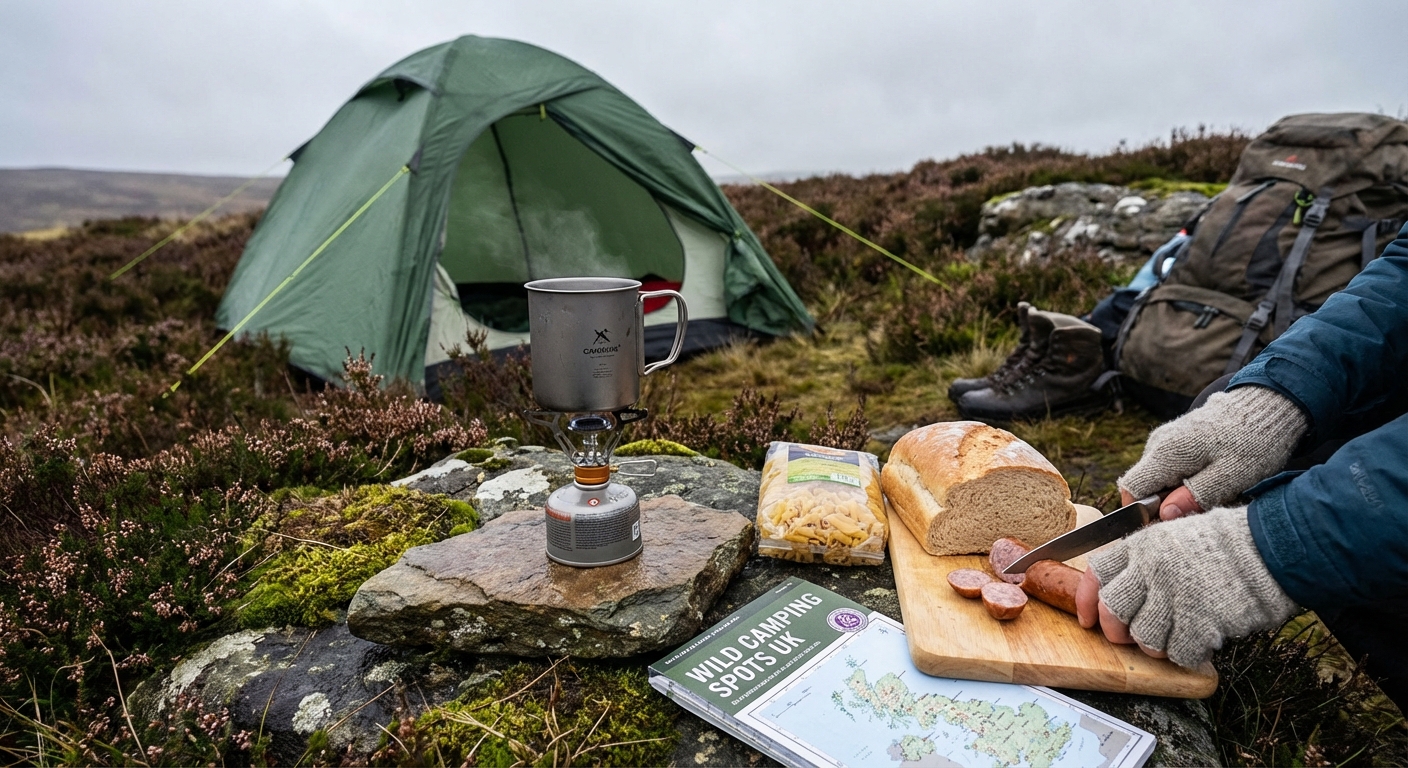
If you want to sanity-check your food plan quickly, the meal planner lets you set days and calories, then shows a balanced, weight-aware plan in under a minute. It's a good way to see if your numbers are in the right ballpark before you refine the details.
Using this tool can save you time and hassle, ensuring you carry just the right amount of food to keep your energy up without overpacking. It’s especially handy for multi-day wild camping trips where every gram counts.
Why Choose Wild Camping Spots UK Over Campsites?
- Freedom and privacy: Escape the crowds and noisy neighbours.
- Stunning locations: Wake up in places inaccessible to car campers.
- Closer to nature: Fall asleep to owls hooting and wake with birdsong.
- Adventure boost: The thrill of finding and settling your own spot.
- Cost-effective: No booking fees or site charges.
- Flexibility: Change plans on the fly without worrying about check-in times.
Choosing wild camping spots UK offers a unique experience that campsites simply can’t match. The sense of discovery and connection to the landscape is unmatched, making every trip a memorable adventure.
Top Wild Camping Spots UK: Where to Go
1. The Scottish Highlands
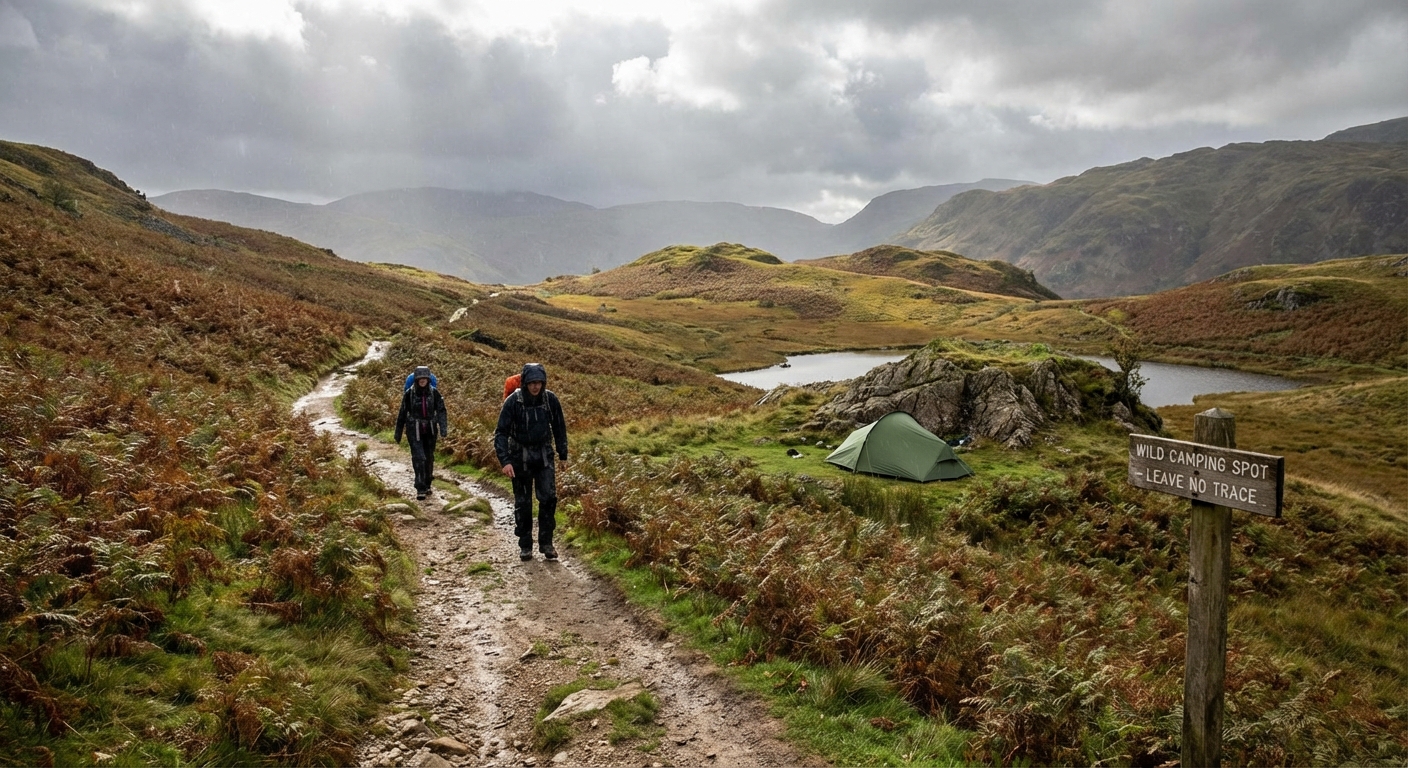
If wild camping was an Olympic sport, the Highlands would win gold. Vast, rugged, and incredibly scenic, spots like Glen Nevis, Torridon, and the Cairngorms are wild camping paradises. Imagine pitching your tent beside a loch, with mist rolling over ancient hills.
Tip: Always follow the Scottish Outdoor Access Code—leave no trace and camp respectfully.
The Highlands offer a variety of terrain, from forested glens to open moorlands. Wildlife sightings, including red deer and golden eagles, add to the magic.
2. Dartmoor National Park, England
Dartmoor is one of the few places in England where wild camping is generally tolerated, provided you’re out of sight and away from roads. Its wild moorlands, granite tors, and ancient woodlands make it a magical spot for a wild night.
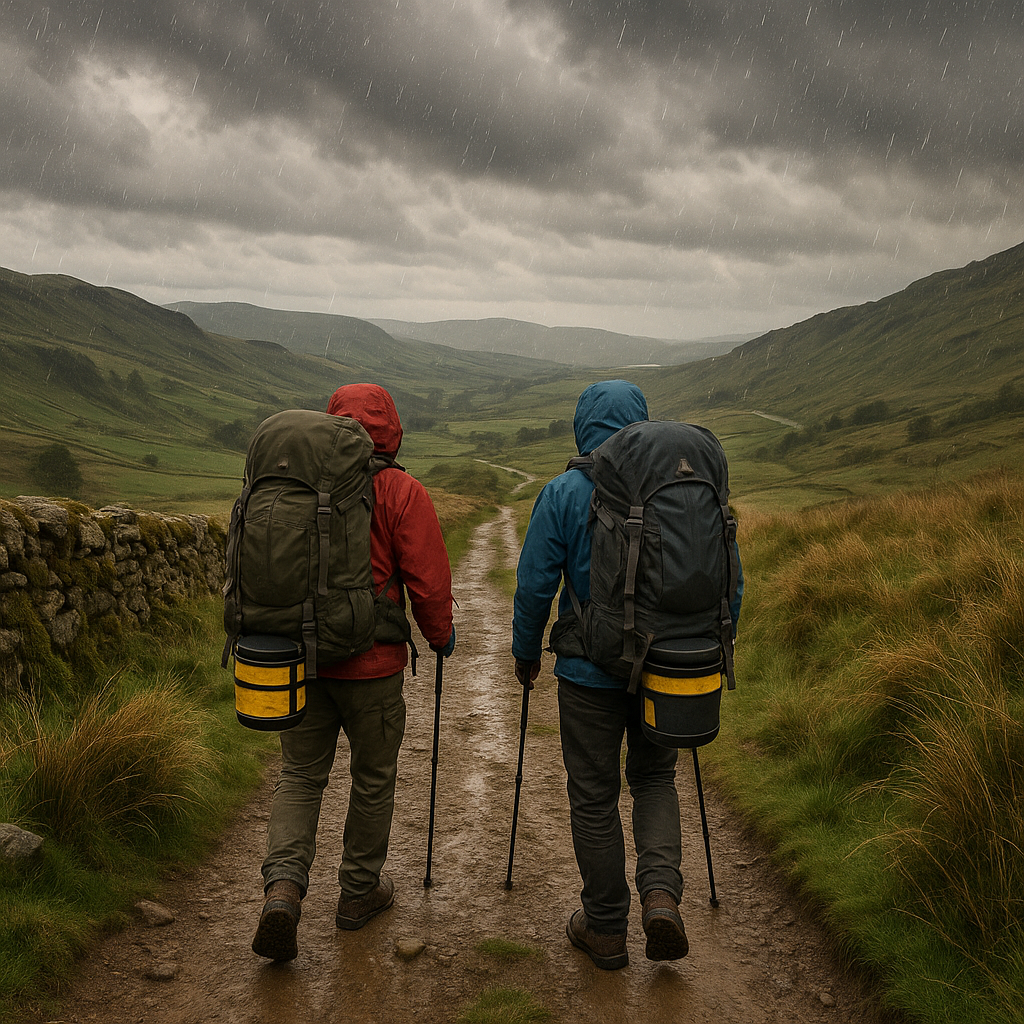
Micro-scene: Picture waking up to a misty moor, the smell of damp earth and heather, with Dartmoor ponies grazing nearby.
Dartmoor’s unpredictable weather means packing waterproofs is essential. The park’s rich archaeology and folklore add extra layers to your camping experience.
3. Snowdonia National Park, Wales
Snowdonia’s rugged mountains and deep valleys offer plenty of wild camping opportunities, though permission is often needed from landowners. The views from campsites near Tryfan or along the Glyderau range are spectacular.
The area’s dramatic landscapes provide excellent hiking and climbing options. Wild camping here feels like stepping into a different world, with ancient forests and rushing streams.
4. The Lake District, England
The Lakes are popular but wild camping spots can be found away from the main tourist trails, especially in the quieter valleys like Mardale or Ennerdale. Just be discreet and respectful to avoid conflicts with local landowners.
The Lake District’s combination of lakes, fells, and woodland makes it a varied and beautiful place to camp. Early mornings often bring stunning sunrises over the water.
5. The Yorkshire Dales, England
Rolling valleys, limestone cliffs, and peaceful uplands make the Dales a lovely wild camping destination. Like other parts of England, it’s best to seek permission or camp in less visible spots.
The Dales are less crowded than some national parks, offering a more tranquil experience. The dry stone walls and quaint villages add charm to your adventure.
Planning Your Wild Camping Trip: Practical Tips
Research Local Laws and Access Rights
Always double-check the local regulations for your chosen wild camping spots UK-wide. Scotland is straightforward, but England and Wales demand a bit more finesse.
- Contact local landowners or park authorities if unsure.
- Respect private property and avoid fenced or cultivated land.
- Use official websites or visitor centres for up-to-date info.
Pack Light and Smart
Carrying everything on your back means every extra gram counts. Lightweight tents like the MSR Hubba NX Solo Tent are perfect for solo wild campers.

MSR Hubba NX Solo Tent
- Choose multi-use gear to reduce bulk.
- Opt for quick-drying clothes and compact cooking equipment.
- Test your pack weight on practice hikes.
Food for Wild Camping
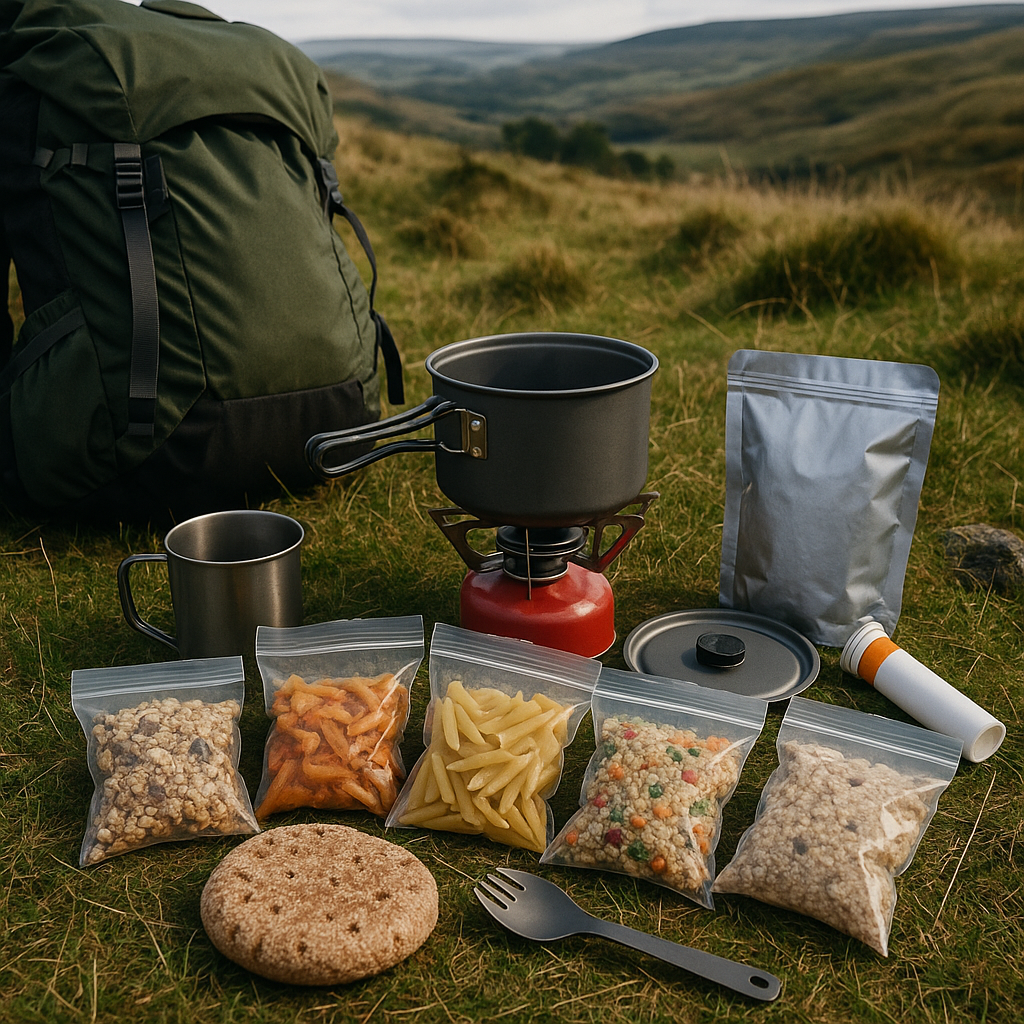
Meals need to be easy to prepare, nutritious, and lightweight. Check out our 7-Day Wild Camping Food List for UK Adventures for inspiration. Self-heating meals such as Adventure Menu Chicken in Wild Sauce with Rice are a godsend after a long day of hiking.

Adventure Menu Chicken in Wild Sauce with Rice
- Carry snacks like nuts, dried fruit, and energy bars.
- Plan meals that require minimal water and cooking time.
- Avoid perishable foods to reduce waste.
Water
Water is life, especially when wild camping. Always carry a reliable filter like the LifeStraw Peak Series Compact Gravity Water Filter System 3L or the MSR Guardian Gravity Purifier for peace of mind.
- Know where water sources are on your route.
- Treat all water before drinking to avoid illness.
- Carry spare water in case of emergencies.
Leave No Trace
Respecting the environment is non-negotiable. Pack out all rubbish, avoid lighting fires (or use a stove), and camp away from water sources.
- Use biodegradable soap and dispose of waste properly.
- Scatter tent sites to avoid damaging vegetation.
- Follow local guidelines for human waste disposal.
Common Mistakes to Avoid When Wild Camping
- Ignoring local rules: Could lead to fines or worse, spoiling the opportunity altogether.
- Camping too close to paths or roads: Privacy and safety decrease, and you risk being asked to move.
- Underestimating the weather: UK weather is notoriously changeable. Pack layers and waterproofs.
- Overpacking: Heavy bags can turn a joyful trek into a slog.
- Poor food planning: Running out of energy food on the trail is no fun.
- Not testing gear beforehand: Faulty or unfamiliar equipment can cause problems.
- Leaving rubbish behind: Damages the environment and ruins the experience for others.
Avoiding these common pitfalls will help ensure your wild camping trip is enjoyable and safe.
How to Find Secret Wild Camping Locations in the UK
- Use detailed OS maps and apps like ViewRanger or Outdooractive.
- Join local hiking forums and social media groups.
- Pick less popular trails and head off the beaten path.
- Consider timing your trip midweek or off-season for fewer crowds.
- Talk to locals or experienced wild campers for insider tips.
These strategies will help you discover hidden wild camping spots UK enthusiasts cherish. Exploring lesser-known areas often rewards you with solitude and pristine nature.
Packing Essentials for Wild Camping Spots UK
- Lightweight tent or bivvy
- Sleeping bag suited to UK temperatures
- Sleeping mat for comfort and insulation
- Stove and fuel (e.g., Heat2Eat Medium Reusable Plastic Self-Steamers)
- Water filter or purifier
- Headtorch and extra batteries
- Waterproof clothing and strong boots
- First aid kit and map/compass
- Multi-tool or knife
- Emergency whistle and waterproof matches/lighter
- Lightweight cooking pot and utensils
- Food storage bags to protect from wildlife
Packing the right gear is crucial for a successful wild camping experience. Test your kit on shorter trips to ensure comfort and reliability.
Sensory Delight: A Night in a Wild Camping Spot UK
Imagine sitting by your stove as dusk paints the sky in fiery reds and purples. The crisp night air carries the scent of pine and damp earth. Owls hoot in the distance, and a gentle breeze rustles the leaves overhead. Your stomach is happily full from a warm meal, and your sleeping bag wraps you in cosy warmth. No hum of traffic, no streetlights, just the pure, unspoiled magic of the wilderness.
This is the essence of wild camping spots UK offer — a chance to truly disconnect and recharge. The stars above seem brighter, and the silence is profound. It’s a sensory experience that stays with you long after you pack up.
Wild Camping and Hiking: A Perfect Partnership
Wild camping pairs beautifully with UK hiking. Trekking by day, setting up camp by evening — it’s a rhythm that reconnects you with nature. For multi-day trips, check out our meal planner to keep your nutrition spot-on without lugging unnecessary weight.
Combining hiking and wild camping allows you to explore remote areas inaccessible by car. Planning your route carefully ensures you reach safe, suitable camping spots each night.
Safety and Weather Considerations
For safety and planning, it helps to check reputable guidance like Met Office weather guidance and The Countryside Code.
- Always inform someone of your route and expected return.
- Carry a fully charged phone and portable power bank.
- Be prepared for sudden weather changes with appropriate clothing.
- Know basic first aid and carry a kit.
- Avoid camping in flood-prone areas or near unstable terrain.
Being prepared reduces risks and enhances your enjoyment of wild camping.
Related reading
- Best Lightweight Wild Camping Tents UK: Expert Guide for Hikers
- 7-Day Wild Camping Food List for UK Adventures
- 5-Day Wild Camping Food List: Essentials for UK Hikers
Optional examples (if you want a real-world starting point)
- Stanley Wildfare Core Fry Pan Cookset | 12-Piece Set | 8 IN
- Adventure Menu Flameless Heater (30g)
- Adventure Menu Flameless Heater ALL IN (3x30g + 2x60g + zipper)
FAQs About Wild Camping Spots UK
1. Is wild camping legal in the UK?
Wild camping legality varies across the UK. In Scotland, the Land Reform Act 2003 grants responsible access rights, allowing wild camping almost anywhere, provided campers follow the Scottish Outdoor Access Code. This means camping respectfully, leaving no trace, and avoiding private gardens or cultivated land. In England, Wales, and Northern Ireland, wild camping is generally not permitted without landowner permission, except in some national parks or designated areas where it may be tolerated if done discreetly and responsibly. Always research local laws before you camp to avoid fines or conflicts.
2. What are the safest wild camping spots UK-wide?
The safest wild camping spots tend to be in remote, less trafficked areas such as the Scottish Highlands, Dartmoor, Snowdonia, the Lake District, and the Yorkshire Dales. These locations offer natural shelter, access to water, and relatively low risk of disturbance. However, safety also depends on weather conditions, wildlife, and terrain. Always check weather forecasts, avoid camping near cliffs or flood-prone areas, and inform someone of your plans. Carrying a first aid kit and knowing basic emergency procedures is essential for safety.
3. How do I avoid disturbing wildlife when wild camping?
To minimise your impact on wildlife, camp away from known animal habitats such as nesting sites, dens, or feeding areas. Keep noise levels low, especially at dawn and dusk when animals are most active. Avoid feeding wildlife as it disrupts their natural behaviours and can cause harm. Store food securely to prevent attracting animals to your campsite. Always pack out all rubbish and food scraps. Respect any local guidelines or restrictions designed to protect sensitive species and habitats.
4. What’s the best time of year for UK wild camping?
The best time for wild camping in the UK is generally late spring through early autumn (May to September), when the weather is milder and daylight hours are longer. This period offers more comfortable temperatures and better conditions for hiking and camping. However, even in summer, UK weather can be unpredictable, so be prepared for rain and cold nights. Winter wild camping is possible but requires specialist gear and experience due to cold, snow, and shorter daylight. Always check weather conditions and plan accordingly.
5. Can I use a campfire at wild camping spots UK?
Campfires are usually discouraged or prohibited in wild camping areas due to the risk of wildfires, damage to vegetation, and scarring of the landscape. Instead, use a lightweight camping stove for cooking and warmth, which is safer and more environmentally friendly. If fires are allowed in certain areas, only use established fire rings or pits, keep fires small, and ensure they are fully extinguished before leaving. Always check local regulations and fire risk warnings before lighting any fire.
Conclusion
Finding the right wild camping spots UK has to offer is a wonderful way to deepen your connection with the great outdoors. From the majestic Scottish Highlands to the moody moors of Dartmoor, your perfect wild camping adventure awaits. With a bit of planning, respect for nature, and the right gear (don’t forget to check out our lightweight tents like the MSR Hubba NX Solo Tent), you can enjoy nights filled with stars, stories, and the simple joy of wilderness.
So grab your rucksack, your sense of adventure, and discover the wild side of the UK — it’s closer than you think! Embrace the freedom, the challenge, and the beauty of wild camping, and make memories that will last a lifetime.
Related articles
Lightweight Camping Gear Checklist for UK Hikes
A practical UK hiking gear checklist that keeps pack weight down without forgetting the food, stove, water, and safety basics that…
Published 8 May 2026
High Calorie Hiking Snacks for Long Distance: What Is Actually Worth Carrying?
A practical guide to high calorie hiking snacks for long-distance trips, focused on calorie density, pack efficiency, repetition…
Published 25 Apr 2026
No-Cook Hiking Food Ideas UK: How to Eat Well Without Carrying a Stove
A practical guide to no-cook hiking food for UK trips, including where it saves weight and faff, and where a hot meal still earns its place.
Published 25 Apr 2026
Vegetarian Freeze-Dried Meals Review: Which Ones Are Actually Worth Carrying?
A practical review of vegetarian freeze-dried meals for hikers who want real calories, decent protein, and meals that actually justify…
Published 25 Apr 2026
Turn this advice into a usable food plan
Open the meal planner
Apply trip length, calorie targets, and dietary preferences to a generated meal plan built from real products.
Build a food planCompare products in the catalog
Use the catalog and product pages to compare weights, calories, and meal types related to this topic.
Browse real products