Best Wild Camping Sleeping Bag: Stay Toasty on UK Trails
Discover the best wild camping sleeping bag for UK adventures. Stay warm, comfy, and dry with our expert tips and top product picks.
On this page

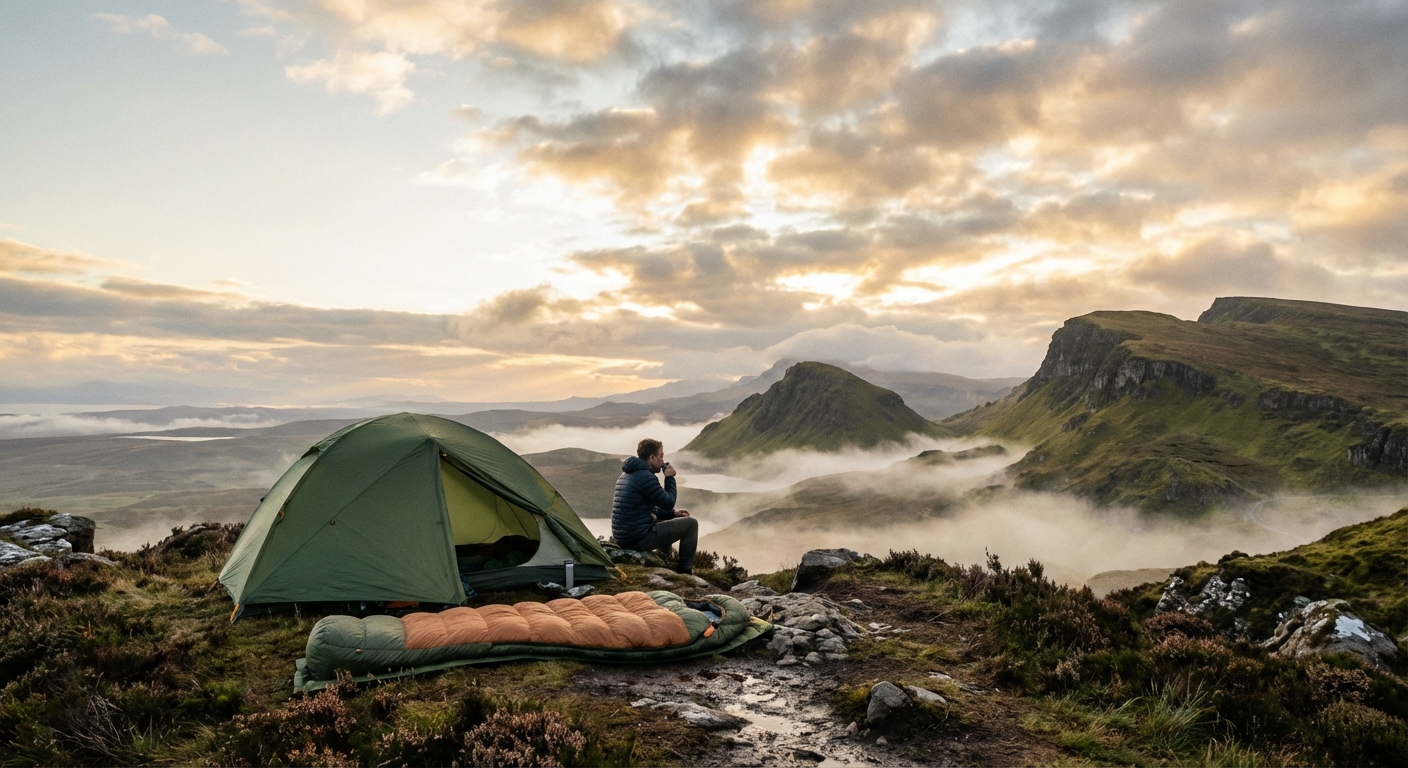
There’s nothing quite like the thrill of wild camping under the stars in the UK’s rugged hills and moorlands. But when the temperature drops and the wind whispers through the trees, your choice of sleeping bag can make or break your night’s comfort. Finding the best wild camping sleeping bag isn’t just about grabbing the fluffiest or lightest option on the shelf—it’s about smart choices that suit the unpredictable British weather and your wild camping style.
Whether you’re pitching up on Dartmoor, wandering the Lake District, or trekking the Scottish Highlands, your sleeping bag is your cocoon from the chill. In this guide, we’ll dive deep into what makes the best wild camping sleeping bag for UK conditions, including insulation types, weight considerations, and practical tips to keep you snug without lugging around unnecessary bulk.
Why Choosing the Best Wild Camping Sleeping Bag Matters
Wild camping means you’re off-grid, often carrying everything on your back. The wrong sleeping bag can lead to a shivery night, restless sleep, or worse, hypothermia. Beyond warmth, you want a bag that fits your pack, dries quickly if damp, and lasts trek after trek.
Imagine waking up on a misty morning in the Lake District, wrapped in chill and damp. Your bag’s insulation and water resistance decide if you crawl out refreshed or grumpy. That’s why the best wild camping sleeping bag blends warmth, weight, and weather resistance.
Choosing the right sleeping bag also affects your overall energy levels and safety. A poor night’s sleep can sap your strength for the next day’s hike, while the right bag keeps you comfortable and ready to explore. The UK’s variable climate demands a sleeping bag that can handle sudden drops in temperature and damp conditions, making the right choice crucial for every wild camper.
Plan this properly in 60 seconds
If you want to sanity-check your food plan quickly, the meal planner lets you set days and calories, then shows a balanced, weight-aware plan in under a minute. It's a good way to see if your numbers are in the right ballpark before you refine the details.
What to Look For: Key Features of the Best Wild Camping Sleeping Bag
Temperature Rating – Know Your Limits
UK nights can drop to near freezing, especially in autumn and spring. Look for bags rated for at least 0°C if you plan multi-season camping. For summer, a 5–10°C rating might suffice but err on the side of caution when choosing the best wild camping sleeping bag.
Insulation Type – Down vs Synthetic
- Down: Lightweight, compressible, and warm. Great for dry conditions but loses loft when wet.
- Synthetic: Heavier but retains warmth when damp and dries faster. Ideal for the UK's often damp weather.
Many wild campers opt for synthetic bags or treated down that balances warmth and moisture resistance, a key factor in selecting the best wild camping sleeping bag.
Weight and Packability
If you’re hiking miles to your wild site, every gram counts. Look for bags that compress small and weigh under 1.5kg for multi-day hikes. Ultralight bags can be under 1kg but often at a higher price. Weight is a crucial consideration when choosing the best wild camping sleeping bag.
Shape and Size
Mummy-shaped bags trap heat efficiently but can feel snug. Rectangular bags offer more room but might sacrifice warmth. Consider your sleeping style and layering needs when picking the best wild camping sleeping bag.
Additional Features
- Water-resistant outer shell: Helps against condensation.
- Draft collar and zipper baffles: Prevent cold air sneaking in.
- Hood with drawcord: Keeps heat around your head.
- Two-way zippers: For ventilation.
These features often distinguish the best wild camping sleeping bag from average options.
Best Wild Camping Sleeping Bag Materials for UK Weather
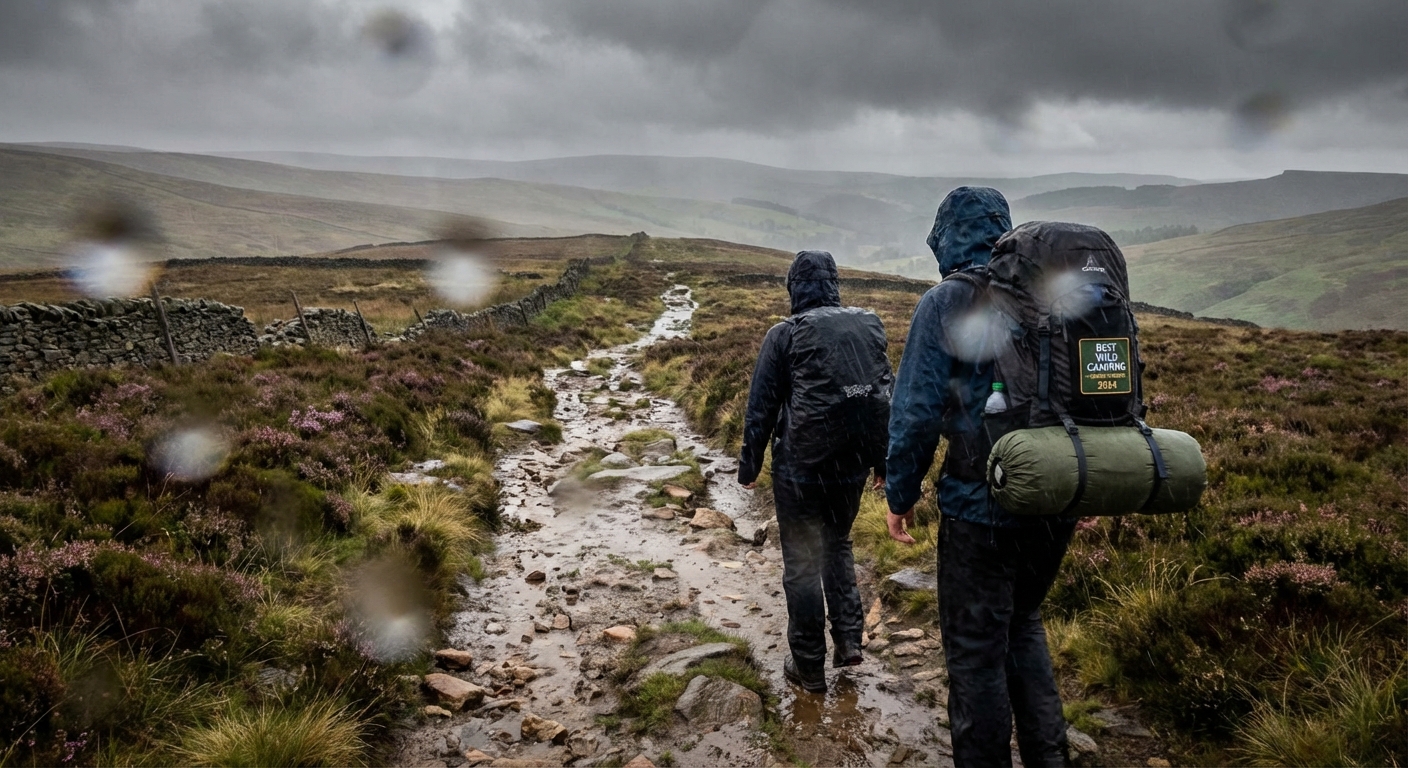
UK wild camping is famous for unpredictable weather—sunshine, rain, mist, and wind all in one day. So, material choice is crucial when selecting the best wild camping sleeping bag.
Outer Shell
Look for ripstop nylon or polyester with a DWR (durable water repellent) coating. This keeps dew and condensation at bay, a must-have for the best wild camping sleeping bag. The outer shell should also be durable enough to withstand rough ground and frequent use.
Insulation
- Treated Goose Down: Offers superb warmth-to-weight ratio, treated for water resistance. Perfect for drier summer or late spring camps.
- Primaloft or similar synthetic fill: Retains heat even damp, easier to dry, generally more affordable.
Both insulation types are common in the best wild camping sleeping bag options designed for UK conditions. Some bags combine both materials to maximise performance in mixed weather.
Top Tips for Using Your Best Wild Camping Sleeping Bag in the UK Wild
- Use a Sleeping Bag Liner: Adds warmth and keeps your bag cleaner. Easy to wash or replace.
- Keep Your Bag Dry: Store it in a waterproof sack, especially if wild camping in wetter areas like Wales or Scotland.
- Ventilate Your Tent or Bivi: Prevents dampness inside that chills your bag.
- Wear Thermal Base Layers: Keeps you warm without adding bulk inside the bag.
- Choose the Right Sleeping Mat: Insulation from the cold ground is a must.
Additionally, avoid eating or drinking inside your sleeping bag to reduce moisture buildup. Regularly airing out your bag during breaks can also help maintain loft and dryness.
Following these tips helps you get the most from your best wild camping sleeping bag.
Common Mistakes When Choosing a Wild Camping Sleeping Bag
- Buying solely on price and ignoring temperature ratings.
- Ignoring weight and bulk for longer hikes.
- Overestimating how warm a bag is without considering wet conditions.
- Forgetting a good compression sack or waterproof cover.
- Choosing the wrong shape for your sleeping style.
Many campers also overlook the importance of testing their sleeping bag before a trip. Spending a night at home or in a local shelter can reveal whether the bag meets your warmth and comfort needs.
Avoid these pitfalls to ensure your best wild camping sleeping bag performs well.
Recommended Sleeping Bags for Wild Camping in the UK
While we don’t name specific SKUs here, look for well-reviewed models from brands known for UK wild camping gear. Many local outdoor shops stock bags designed for our climate.
For a comprehensive range of sleeping bags suitable for wild camping, check out our product catalog where you can filter by insulation, weight, and temperature rating to find the best wild camping sleeping bag for your needs.
When choosing, consider user reviews that mention UK weather performance and durability. Some bags also come with lifetime guarantees, which can be a sign of quality.
Packing Your Best Wild Camping Sleeping Bag: Smart Storage and Transport
Compression sacks are your best mate for wild camping. Look for waterproof models with straps that cinch down tight. Don’t keep your sleeping bag compressed for long periods—loft loss happens if it’s squished in your pack for days.
Inside your pack, put the sleeping bag in a dry bag or waterproof liner. UK weather is notorious for surprise showers, and damp gear is a nightmare. Proper packing protects your best wild camping sleeping bag investment.
When unpacking, always air your sleeping bag fully to restore loft and remove any moisture absorbed during the night. This prolongs insulation effectiveness and comfort.
How to Care for Your Best Wild Camping Sleeping Bag
- Air it out after trips to avoid mildew.
- Spot clean with mild soap; avoid machine washing unless manufacturer says so.
- Store loosely in a large cotton bag, not compressed.
- Repair small tears promptly.
Proper care not only extends your bag’s life but maintains its warmth and water resistance. For down bags, occasional professional cleaning can restore loft and performance. Synthetic bags are generally easier to maintain but still benefit from gentle handling.
Planning Your Wild Camping Trip: Gear Checklist Focused on Sleeping Comfort
- Best wild camping sleeping bag suited to season
- Sleeping mat with good R-value (insulation rating)
- Waterproof bivvy bag or tent for added protection
- Sleeping bag liner
- Thermal base layers
- Waterproof sacks for dry storage
For a full wild camping food list to keep your energy up, see our handy 7-Day Wild Camping Food List for UK Adventures.
Remember to also pack spare socks and a warm hat, as extremities lose heat quickly overnight. A small repair kit for your sleeping bag or mat is also wise for longer trips.
Real UK Wild Camping Micro-Scene: A Night on the Moor
Picture this: You’ve settled into your cosy best wild camping sleeping bag on a windy Dartmoor night. The sound of distant sheep and an owl hooting nearby. The damp earth beneath your sleeping mat feels cold at first, but your bag’s insulation locks in your body heat. The hood cinched tight, you breathe in the crisp night air, feeling snug despite the chill. That’s the magic of the right sleeping bag—turning wild conditions into a warm, restful retreat.
As dawn breaks, a light mist rolls over the moor, but inside your bag, you remain warm and dry. This experience highlights how vital it is to choose a sleeping bag designed for the UK’s variable climate, ensuring every wild camping night is a good one.
Frequently Asked Questions About the Best Wild Camping Sleeping Bag
1. What temperature rating should I choose for UK wild camping?
For most UK wild camping, a sleeping bag rated around 0°C to -5°C is ideal for spring to autumn. For summer, 5°C+ ratings can work, but always check the forecast and bring layers when selecting your best wild camping sleeping bag. Remember, temperature ratings are guidelines; personal comfort varies, so choose a bag that gives you a margin of safety.
2. Is down or synthetic insulation better for UK wild camping?
Synthetic is generally better if you expect damp conditions or’re on a budget, as it retains warmth when wet. Down offers better warmth-to-weight but needs to stay dry or be treated for water resistance, important when choosing the best wild camping sleeping bag. Some modern down bags have durable water repellent treatments to improve wet-weather performance.
3. How can I keep my sleeping bag dry overnight?
Use a waterproof compression sack and sleep inside a waterproof bivvy or tent. Ventilate to reduce condensation, and avoid sleeping directly on wet ground to protect your best wild camping sleeping bag. Additionally, airing your bag during breaks and using liners can help maintain dryness.
4. Can I use a sleeping bag liner with my wild camping sleeping bag?
Absolutely! Liners add warmth, keep your bag cleaner, and can be used alone in warmer weather, enhancing the versatility of your best wild camping sleeping bag. They are lightweight and easy to wash, making them a practical addition to any wild camper’s kit.
5. How do I maintain the loft and warmth of my sleeping bag?
Store your bag loosely when not in use, air it out after trips, and avoid compressing it for long periods. Clean according to manufacturer guidelines to keep your best wild camping sleeping bag performing well. Using a proper storage sack and repairing small damages promptly also help maintain insulation.
6. What’s the best shape for a wild camping sleeping bag?
Mummy-shaped bags are best for heat retention and weight saving, ideal for colder conditions. Rectangular bags offer more space and comfort but usually weigh more and lose heat faster. Your choice depends on your sleeping style, temperature needs, and pack weight considerations.
7. How important is the sleeping mat in conjunction with the sleeping bag?
Very important. A good sleeping mat insulates you from the cold ground, which can quickly sap body heat. Look for mats with a high R-value to complement your sleeping bag’s warmth, ensuring a comfortable night in the wild.
Conclusion: Your Best Wild Camping Sleeping Bag Awaits
Choosing the best wild camping sleeping bag for UK adventures means balancing warmth, weight, and weather resistance. Whether you’re a lightweight hiker or a weekend wild camper, investing in the right bag transforms chilly, damp nights into cosy outdoor sleeps. With the right gear, preparation, and a bit of British grit, the wilds of the UK become your comfortable, starry bedroom.
Ready to explore more wild camping essentials? Check out our expert guides on the best lightweight wild camping tents UK and the best lightweight hiking stoves to complete your kit.
Happy wild camping — stay warm out there!
Related articles
Lightweight Camping Gear Checklist for UK Hikes
A practical UK hiking gear checklist that keeps pack weight down without forgetting the food, stove, water, and safety basics that…
Published 8 May 2026
High Calorie Hiking Snacks for Long Distance: What Is Actually Worth Carrying?
A practical guide to high calorie hiking snacks for long-distance trips, focused on calorie density, pack efficiency, repetition…
Published 25 Apr 2026
No-Cook Hiking Food Ideas UK: How to Eat Well Without Carrying a Stove
A practical guide to no-cook hiking food for UK trips, including where it saves weight and faff, and where a hot meal still earns its place.
Published 25 Apr 2026
Vegetarian Freeze-Dried Meals Review: Which Ones Are Actually Worth Carrying?
A practical review of vegetarian freeze-dried meals for hikers who want real calories, decent protein, and meals that actually justify…
Published 25 Apr 2026
Turn this advice into a usable food plan
Open the meal planner
Apply trip length, calorie targets, and dietary preferences to a generated meal plan built from real products.
Build a food planCompare products in the catalog
Use the catalog and product pages to compare weights, calories, and meal types related to this topic.
Browse real products