What to Eat on a Day Hike UK: Practical Fuel for Your Trail
Discover what to eat on a day hike UK with practical tips, easy meal ideas, and how to fuel your adventure properly for all-day energy.
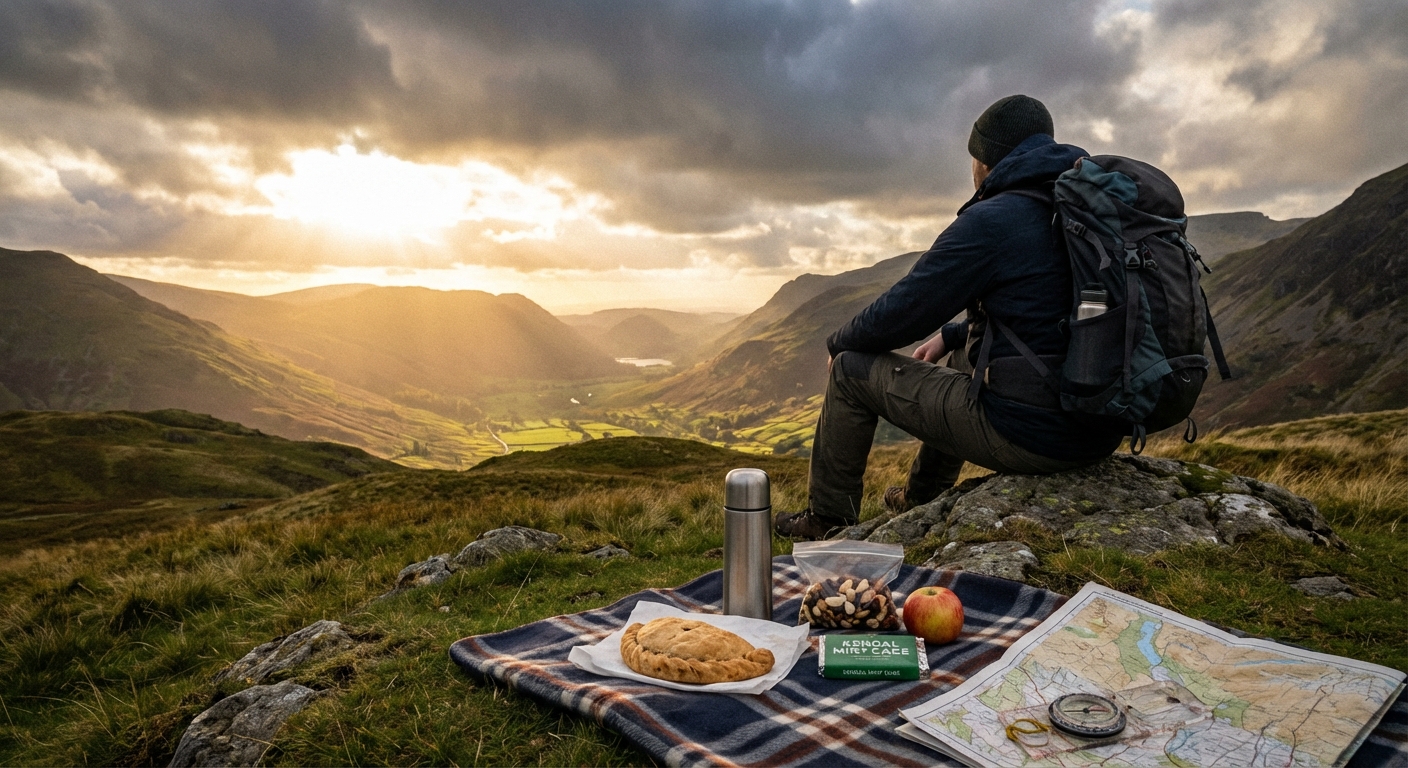
On this page

A day hike is short enough to tempt people into winging it, and long enough to punish that decision a few hours later. If you have ever set off with one cereal bar, half a bottle of water and misplaced confidence, you already know the problem.
The answer to what to eat on a day hike UK is not complicated, but it does need a bit of planning. You want food that is easy to carry, easy to eat, and good at keeping your energy steady rather than sending you into a sugar crash somewhere on a windy ridge.
This guide keeps it practical. No survival cosplay, no absurd meal prep, just sensible trail food for UK walks and hill days.
The short version
If you want the fast answer, pack around three things:
- a proper breakfast before you leave
- regular snacks you can eat without stopping for a full lunch break
- one simple lunch that is light, filling and not annoying to carry
For most UK day hikes, that usually means:
- carbs for steady energy
- some protein so you do not get ravenous by midday
- a bit of fat for staying power
- enough water for the route and weather
If you want to sanity-check the numbers, the meal planner is the quickest way to build a rough food plan based on trip length and calories.
What makes good day-hike food?
Good hiking food does four jobs well:
- It travels well. It should survive being shoved into a rucksack.
- It is easy to eat. If it needs a table, cutlery and emotional support, it is probably the wrong choice.
- It gives steady energy. Oats, wraps, nuts, dried fruit and simple savoury food generally beat a bag full of sweets.
- It fits the route. A gentle 8 km walk and a full day in the hills do not need the same fuelling.
This is where people often get it wrong. They either bring too little and run out of steam, or they pack a lunch fit for a minor expedition and resent carrying it all day.
How much food should you bring?
There is no magic number, but for a normal UK day hike the rough rule is simple:
- short easy walk, 2 to 4 hours: breakfast plus a couple of snacks may be enough
- standard day hike, 4 to 7 hours: breakfast, 2 to 4 snacks, and a proper lunch
- big hill day, steep terrain, cold weather: bring more than you think you need, plus a small emergency extra
Cold, wind and climbing all increase the amount of energy you burn. British weather also has a habit of turning a straightforward walk into a slower, wetter, more calorie-hungry day.
A good rule is to avoid having one giant lunch and nothing else. Smaller inputs across the day work better than waiting until you are starving.
Best breakfast before a day hike
Breakfast wants to be boring in the best possible way. Reliable wins.
Good options include:
- porridge or muesli
- toast with peanut butter, jam or honey
- yoghurt with fruit and granola
- a banana alongside something more substantial
If you start early and struggle to eat much, at least get something down before you leave, then plan to eat a proper snack within the first hour.
If you are camping before the walk, instant oats or muesli are still the obvious low-faff option. They are not glamorous, but neither is bonking halfway up a climb.
Best snacks for a day hike UK
Snacks are where most of your trail fuelling happens, so make them do some actual work.
Strong options:
- trail mix with nuts and dried fruit
- flapjacks or oat bars
- cheese and crackers
- jerky or other easy protein snacks
- bananas, apples or easy-to-carry fruit
- nut butter sachets if you want compact calories
A useful mix is:
- one quick-energy snack for steep climbs or a rough patch
- one slower, more filling snack for steady walking
- one spare emergency snack you do not plan to touch unless the day runs long
That is a better setup than relying on five random sweet bars and optimism.
What to eat for lunch on a day hike
Lunch should be simple, sturdy and easy to eat in bad conditions.
The classics are still classics for a reason:
- sandwiches on decent bread
- wraps with hummus, cheese, chicken or smoked salmon
- pasta or couscous salad in a small container
- hard-boiled eggs with something salty on the side
For a UK day hike, wraps are often better than sandwiches because they survive your bag with less drama. Soft cheese, hummus, peanut butter, cured meats and hard cheese also tend to travel better than delicate fillings.
Avoid lunches that are:
- too bulky
- too greasy
- awkward to eat in wind or rain
- full of ingredients that turn grim after a few hours in a pack
This is trail food, not restaurant service.
Hydration matters just as much as food
You can get away with slightly average snack choices. You cannot really fake hydration.
For many UK day hikes, around 1.5 to 2 litres is a sensible starting point, then adjust for:
- heat
- distance
- climb
- how exposed the route is
- whether you can reliably refill water
Useful add-ons:
- HIGH5 Zero Electrolyte Drink if it is warm or you are sweating heavily
- MSR TrailShot™ Pocket-Sized Water Filter if you are on a route where refilling safely is realistic
Do not overcomplicate this. Drink regularly, and do not wait until you are obviously thirsty and feeling flat.
A realistic sample food plan
For a typical 5 to 6 hour UK hill walk, something like this works well:
- Before leaving: porridge with banana and honey
- First snack: flapjack or oat bar
- Lunch: wrap with cheese, ham or hummus, plus an apple
- Afternoon snack: nuts, dried fruit and jerky
- Backup snack: dark chocolate or an extra bar you keep in reserve
- Drinks: water, with electrolytes if conditions justify it
That is not fancy, but it covers the basics properly.
Common mistakes
These are the usual self-inflicted problems:
- bringing too little food because it is only a day hike
- bringing only sugary snacks and then wondering why energy falls off a cliff
- skipping breakfast and trying to recover later
- packing food that is awkward to eat when the weather turns foul
- not carrying a spare snack in case the route takes longer than planned
The best hiking food plan is usually the one that still works when the day is slower, colder or messier than expected.
How weather and terrain change the answer
The best food for a flat summer walk is not quite the same as the best food for a cold, steep hill day.
In cold or windy weather
Bring a bit more food than normal, especially carbs and fats. Hot drinks also do more for morale than people admit.
On steep or strenuous routes
Keep one easy-access snack handy for climbs. Waiting until the hard section is over is not always the smartest move.
In warmer weather
You may want lighter food, more fluids and something salty. This is where electrolytes can earn their place.
A simple rule for choosing what to eat on a day hike UK
If you are not sure whether your plan is good enough, use this test:
Could I still eat this easily after four hours, in wind, with cold hands, while standing up?
If the answer is no, improve the plan.
That one question eliminates a surprising amount of nonsense.
Final thoughts
The best answer to what to eat on a day hike UK is usually simple: eat a proper breakfast, pack a practical lunch, bring regular snacks, and carry enough water for the conditions.
You do not need to overengineer it. You just need a plan that matches the route.
If you want to build that plan faster, the meal planner is a useful starting point for getting calories and food weight into the right range before you fine-tune the details.
FAQ
What are the best snacks for UK hiking?
The best snacks are easy to carry, easy to eat and give a mix of quick and steady energy. Good options include flapjacks, nuts, dried fruit, jerky, cheese, crackers and simple fruit like bananas or apples.
How much food should I bring on a day hike?
For most day hikes, bring breakfast, a simple lunch, 2 to 4 snacks and one small emergency extra. Bigger hill days, cold weather and longer routes all justify more food.
Is fruit good for a day hike?
Yes, as long as it travels reasonably well. Bananas and apples are the usual easy wins. Fresh fruit is heavier than dried snacks, but it is refreshing and easy to eat.
Do I need electrolyte drinks on UK hikes?
Not always. For cooler, shorter walks, plain water is often fine. On warmer days, longer hikes or more strenuous routes, electrolytes can be useful.
What is a good lunch for a day hike?
Wraps, sandwiches, couscous salads and simple savoury foods that do not get destroyed in your bag are all solid choices. Go for food that is filling without being heavy or awkward.
Related articles
Lightweight Camping Gear Checklist for UK Hikes
A practical UK hiking gear checklist that keeps pack weight down without forgetting the food, stove, water, and safety basics that…
Published 8 May 2026
High Calorie Hiking Snacks for Long Distance: What Is Actually Worth Carrying?
A practical guide to high calorie hiking snacks for long-distance trips, focused on calorie density, pack efficiency, repetition…
Published 25 Apr 2026
No-Cook Hiking Food Ideas UK: How to Eat Well Without Carrying a Stove
A practical guide to no-cook hiking food for UK trips, including where it saves weight and faff, and where a hot meal still earns its place.
Published 25 Apr 2026
Vegetarian Freeze-Dried Meals Review: Which Ones Are Actually Worth Carrying?
A practical review of vegetarian freeze-dried meals for hikers who want real calories, decent protein, and meals that actually justify…
Published 25 Apr 2026
Turn this advice into a usable food plan
Open the meal planner
Apply trip length, calorie targets, and dietary preferences to a generated meal plan built from real products.
Build a food planCompare products in the catalog
Use the catalog and product pages to compare weights, calories, and meal types related to this topic.
Browse real products