Gluten Free Hiking Meals UK: Safe, Practical Trail Food That Actually Works
Discover the best gluten free hiking meals UK hikers trust. Practical tips, meal ideas, and top products for safe, tasty trail food on UK walks.
On this page

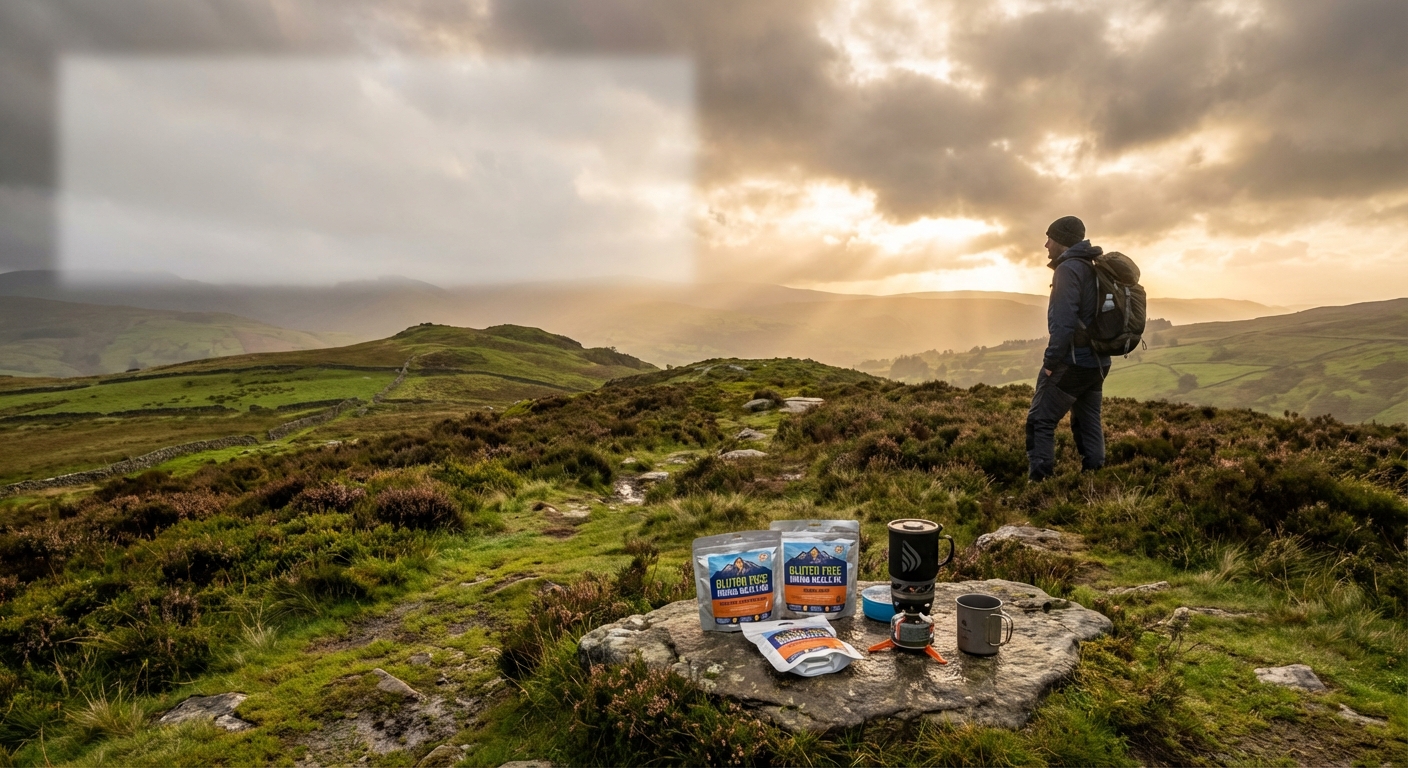
If you need gluten free hiking meals UK hikers can actually rely on, the job is not just finding food with a gluten free label on it. You need meals and snacks that are safe for your body, sensible for the route, and worth carrying all day.
That usually means three things:
- food that is clearly labelled and low-risk for cross-contamination
- enough calories to keep you moving without overloading your pack
- a mix of no-cook snacks and easy hot meals that suit UK conditions
This guide keeps it practical. No diet fluff, no weird “superfood” detours, just realistic trail food for day hikes, overnighters and multi-day walks.
The short version
For most UK hikes, a solid gluten free food plan looks like this:
- before you leave: a proper breakfast, usually oats, yoghurt, fruit, eggs, or another reliable option you already know you tolerate well
- during the day: regular snacks you can eat easily on the move, such as nuts, gluten free bars, jerky, rice cakes or dried fruit
- main meal: a simple lunch for day hikes, or a hot dehydrated meal for camps and overnighters
- backup: one spare snack in case the day runs long, weather slows you down, or your appetite changes
If you want to sanity-check calories and pack weight before you leave, the meal planner is the quickest way to build a usable first pass.
What makes a good gluten free hiking meal?
A good hiking meal has to do more than avoid gluten.
It should also be:
- Easy to trust. If you are coeliac or highly sensitive, this matters more than anything else. Clear labelling beats guesswork.
- Easy to carry. Trail food has to survive being shoved into a rucksack in damp British weather.
- Easy to eat. A meal that needs perfect conditions, a flat table and clean hands is less useful than it looks.
- Worth the weight. Calories, protein and convenience matter more than pretending every meal needs to be wholesome in an aspirational Instagram way.
That is why the best gluten free hiking meals are usually quite boring on paper. Boring is fine. Boring that works beats ambitious nonsense halfway up a hill.
Cross-contamination matters more outdoors
A lot of advice about gluten free hiking food misses the awkward bit, which is not the ingredient list. It is everything around it.
On the trail, contamination can happen because of:
- shared snack bags
- someone else’s crumbs in a tent or shelter
- using the same spoon, knife or stove pot
- “probably fine” flapjacks and bars with vague labelling
If you are coeliac, the safest approach is simple:
- stick to clearly labelled products
- pack your food separately
- do not share utensils unless they are cleaned properly
- avoid decanting foods into mixed communal containers
This sounds obvious because it is obvious. It still gets people caught out.
Best gluten free foods for day hikes
For a normal UK day walk, the easiest setup is usually a proper breakfast, two to four snacks, and one simple lunch.
Reliable day-hike options
- gluten free flapjacks or oat bars
- nuts and dried fruit
- rice cakes or corn thins with peanut butter
- cheese, if the weather is cool enough
- jerky or biltong
- gluten free wraps with hummus, tuna, chicken or hard cheese
- bananas or apples if you do not mind a bit of extra weight
The point is steady, low-faff fuel. Not every snack needs to be optimised to death. It just needs to be safe, edible, and useful after a few hours outside.
Best gluten free meals for overnighters and multi-day walks
Once you are cooking, the priorities change slightly. Now you want meals that are:
- lightweight for the calories
- easy to prepare with one pot and boiling water
- reliable in poor weather
- filling enough to feel like an actual meal rather than a warm compromise
That is where dehydrated and expedition-style meals earn their keep.
Useful examples from the current Trail Meals catalog include:
- Adventure Menu Chicken Korma with Rice, a solid hot dinner when you want something easy and familiar
- Adventure Menu Meatballs with Basmati & Tomato Sauce, which is another sensible camp meal if you want more substance than snack grazing
- Chicken in Wild Sauce, a good fit for colder evenings when a hot meal is doing morale work as well as calorie work
These links make sense here because the article is about what to actually pack, not because every paragraph needs to sell something.
No-cook gluten free hiking food
No-cook setups are useful for summer day hikes, fast-and-light trips, or anyone who cannot be bothered with stove admin on a shorter route.
Good no-cook options include:
- nuts, seeds and dried fruit
- gluten free bars you have tested before
- rice cakes, corn thins or gluten free crackers
- nut butter sachets
- tuna or salmon pouches
- hard cheese or cured meat for cooler conditions
No-cook food is convenient, but it is easier to under-eat with it. If you are relying on snacks only, check that you have enough total calories rather than just a bag full of worthy little items.
A practical sample plan
Here is a realistic example for a full UK hill day.
5 to 6 hour day hike
- Breakfast: gluten free porridge with banana and peanut butter
- Snack 1: trail mix with nuts and dried fruit
- Lunch: gluten free wrap with hummus and chicken, plus an apple
- Snack 2: jerky and a gluten free flapjack
- Backup snack: dark chocolate or an extra bar kept in reserve
- Drinks: water, plus electrolytes if it is warm or you sweat heavily
Simple overnight setup
- Breakfast: gluten free porridge oats with dried fruit
- Trail snacks: bars, nuts, dried fruit, jerky
- Lunch: no-cook wrap or crackers with protein
- Dinner: one hot dehydrated meal such as Adventure Menu Chicken Korma with Rice
- Emergency extra: one compact high-calorie snack you do not touch unless needed
This is not glamorous. It is just the sort of plan that still works when the weather turns annoying.
How much food should you bring?
There is no perfect number, but the usual mistake is underpacking, not overpacking.
A simple rule:
- short easy walk: breakfast plus a couple of snacks may be enough
- standard day hike: breakfast, 2 to 4 snacks, and lunch
- big hill day or bad weather: add extra calories and one emergency spare
- multi-day trip: aim for meals you know you will still want to eat when tired, cold and mildly fed up
Cold, wind, steep ground and long days all push calorie needs up. That is another reason the meal planner is useful. It gives you a quick sense check before you leave with either half the food you need or enough for a small village.
Packing tips that matter
A few practical habits make gluten free hiking food easier to manage:
- keep gluten free food in separate labelled bags
- put the first snack where you can reach it quickly
- protect bars and wraps from getting crushed or wet
- keep one backup snack separate from the main food bag
- if you are hiking with other people, be annoyingly clear about what is yours
That last point is not rude. It is logistics.
Common mistakes
These are the usual failures:
- trusting vague “free from” marketing without checking properly
- bringing lots of tiny snacks and no real meal plan
- assuming no-cook means no planning required
- forgetting that some gluten free products are low in calories for the pack weight
- sharing food carelessly in a group
- leaving yourself no backup if the day runs long
The best plan is usually the one that still works when you are tired, cold and a bit behind schedule.
When product links actually help
If you already know what sort of meals work for you, the useful next step is not reading more listicles. It is narrowing down safe options fast.
That is where Trail Meals is actually helpful:
- use the catalog to browse likely options
- use the meal planner to turn those into a realistic food plan for your trip length and calorie target
That is a better workflow than guessing, overpacking, then discovering on the hill that you somehow brought six snacks and nothing you actually want for lunch.
Final thoughts
The best gluten free hiking meals UK walkers can rely on are the ones that are safe, practical and easy to repeat.
That usually means:
- choose clearly labelled food you already trust
- build around simple snacks and one or two proper meals
- account for weather, route length and cooking setup
- keep contamination risk low by packing separately and avoiding casual sharing
If you want a faster way to turn that into an actual packing list, start with the meal planner, then refine it with products from the catalog.
Simple is good here. Your stomach, legs and mood will all appreciate it.
FAQ
Are gluten free hiking meals always safe for coeliacs?
No. A gluten free claim is only useful if the product is clearly labelled and the handling risk is low. For coeliacs, cross-contamination matters just as much as the ingredient list, so separate packing and clean utensils are part of the plan.
What is a good gluten free lunch for a day hike?
A gluten free wrap with hummus, chicken, tuna or hard cheese is usually a solid option. Rice cakes, corn thins, trail mix and a tested gluten free bar also work well alongside it.
Can I do a no-cook gluten free hiking trip?
Yes, especially for shorter routes. Build around nuts, dried fruit, bars, tuna pouches, rice cakes and other foods you know travel well. Just make sure the total calories are high enough.
What is a good hot gluten free dinner for a camp?
A lightweight dehydrated meal that only needs boiling water is usually the easiest option. Adventure Menu Chicken Korma with Rice and Adventure Menu Meatballs with Basmati & Tomato Sauce are good examples from the current catalog.
How can I plan gluten free hiking food without overpacking?
Use the meal planner to set trip length and calorie target, then build around a small number of reliable meals and snacks. That gives you a better plan than improvising in the supermarket the night before.
Related articles
Lightweight Camping Gear Checklist for UK Hikes
A practical UK hiking gear checklist that keeps pack weight down without forgetting the food, stove, water, and safety basics that…
Published 8 May 2026
High Calorie Hiking Snacks for Long Distance: What Is Actually Worth Carrying?
A practical guide to high calorie hiking snacks for long-distance trips, focused on calorie density, pack efficiency, repetition…
Published 25 Apr 2026
No-Cook Hiking Food Ideas UK: How to Eat Well Without Carrying a Stove
A practical guide to no-cook hiking food for UK trips, including where it saves weight and faff, and where a hot meal still earns its place.
Published 25 Apr 2026
Vegetarian Freeze-Dried Meals Review: Which Ones Are Actually Worth Carrying?
A practical review of vegetarian freeze-dried meals for hikers who want real calories, decent protein, and meals that actually justify…
Published 25 Apr 2026
Turn this advice into a usable food plan
Open the meal planner
Apply trip length, calorie targets, and dietary preferences to a generated meal plan built from real products.
Build a food planCompare products in the catalog
Use the catalog and product pages to compare weights, calories, and meal types related to this topic.
Browse real products