Cheap Freeze-Dried Backpacking Meals in the UK: What’s Actually Worth Buying?
Discover the best cheap backpacking meals freeze dried for UK hikes. Practical tips, meal ideas, and planning advice to fuel your outdoor adventures.
On this page

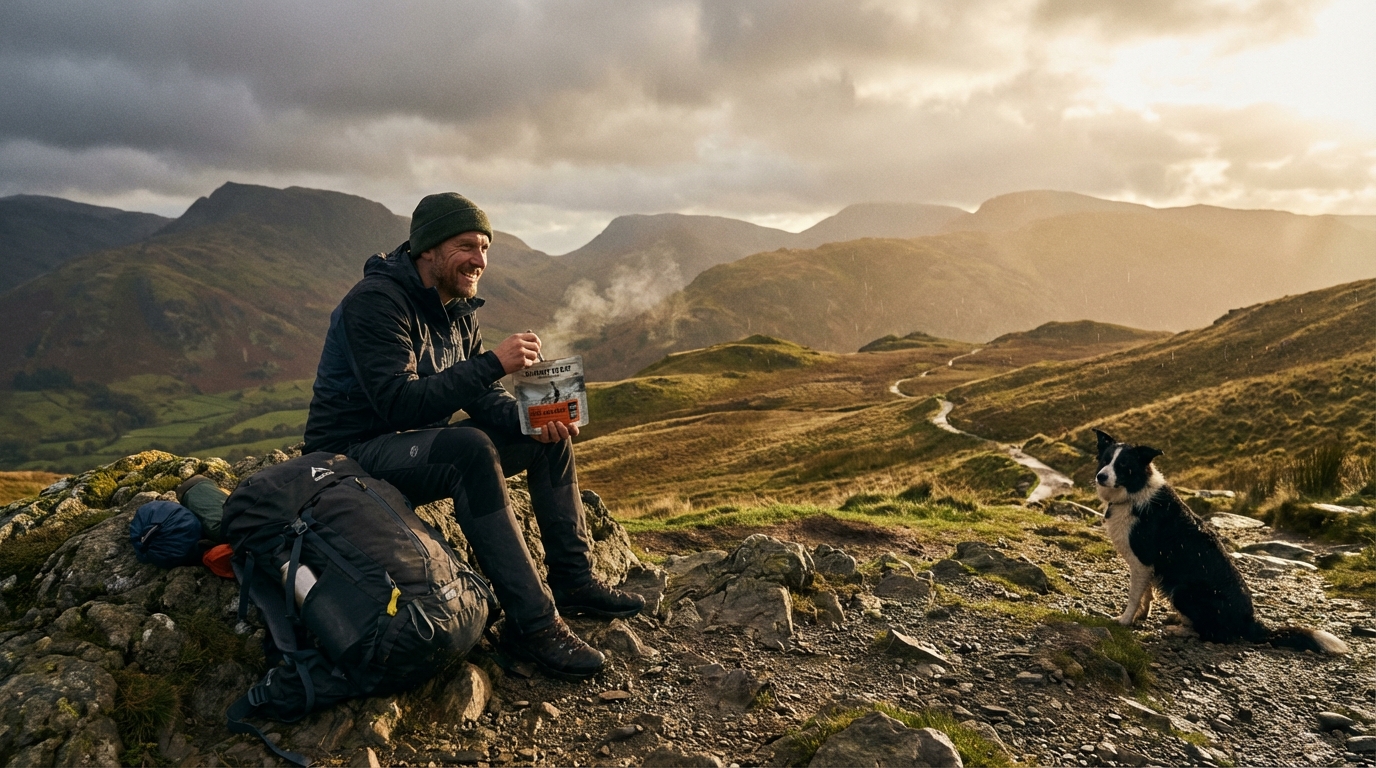
If you are comparing cheap freeze-dried backpacking meals in the UK, it helps to start with a blunt question: is this pouch actually saving money, weight, or hassle in a meaningful way? The trick is not treating every pouch as automatically good value.
Some meals are expensive for what they deliver. Some are genuinely useful because they save weight, cook fast, and give you enough calories to justify carrying them. If you’re planning UK overnighters, multi-day hikes, or a low-fuss camp setup, that distinction matters more than the marketing on the packet.
This guide keeps it simple: when cheap freeze-dried meals are worth it, what to compare before you buy, and how to build a lower-cost trail food setup that still works when the weather is rubbish and your legs are done.
The short version
- Cheap freeze-dried meals are best used where convenience and pack weight matter most, usually dinner on multi-day trips.
- Look at cost per meal, calories, and how filling the meal will actually feel, not just the headline price.
- A cheaper pouch is not good value if it leaves you needing extra snacks half an hour later.
- Mixing one freeze-dried dinner with simpler breakfasts and lunches is usually the best-value setup for UK backpacking.
- If you want to check the maths properly, the meal planner is the fastest way to test calories, days, and pack weight before you buy.
When freeze-dried meals are actually worth the money
Freeze-dried meals earn their keep on trips where one or more of these are true:
- you want hot food with minimal faff
- pack weight matters
- water is easy to boil at camp
- you do not want lots of washing up
- you need food that will survive being bounced around in a rucksack for days
That usually means overnight walks, weekend wild camps, hut trips, and longer routes where dinner is the one meal you want to keep dead simple.
For short day hikes, freeze-dried meals are often overkill. You will usually save money by using normal snacks, wraps, sandwiches, oat bars, and other easy food. If that is your use case, the newer guide on what to eat on a day hike UK is a better fit.
What makes a freeze-dried meal good value?
A decent cheap backpacking meal needs to pass four tests.
1. Price per useful serving
A meal that looks cheap can still be poor value if the portion is tiny. Compare the actual serving size and whether you would want to add anything else to feel properly fed.
2. Calories for the weight
For backpacking, calories matter more than polite packaging copy. If the meal is very light but also very low calorie, it may not solve much. You still carry it, cook it, and then end up hunting for extra food.
3. Prep reliability
Some meals are worth paying for because they are simple. Add boiling water, wait, eat, move on. That matters in wind, rain, or tired camp-admin mode.
4. Taste and repeatability
Value is not just maths. If you would not willingly eat the same brand or style again on day two or three, it is not a great backpacking option.
The sensible budget strategy for UK trips
The cheapest workable approach is usually not “buy the absolute cheapest pouch for every meal”. It is this:
- keep breakfast cheap and light, usually oats, granola, or porridge
- keep lunch simple, usually wraps, snacks, bars, nuts, or no-cook food
- use freeze-dried or ready meal dinners where hot food gives the biggest morale return
That gives you the convenience where it matters most, without paying premium prices for every bite you eat.
If you are building a multi-day setup, this article pairs naturally with the 5-day wild camping food list and 7-day wild camping food list, because those are better for assembling the whole food system rather than obsessing over one product type.
Good lower-cost meal options to compare
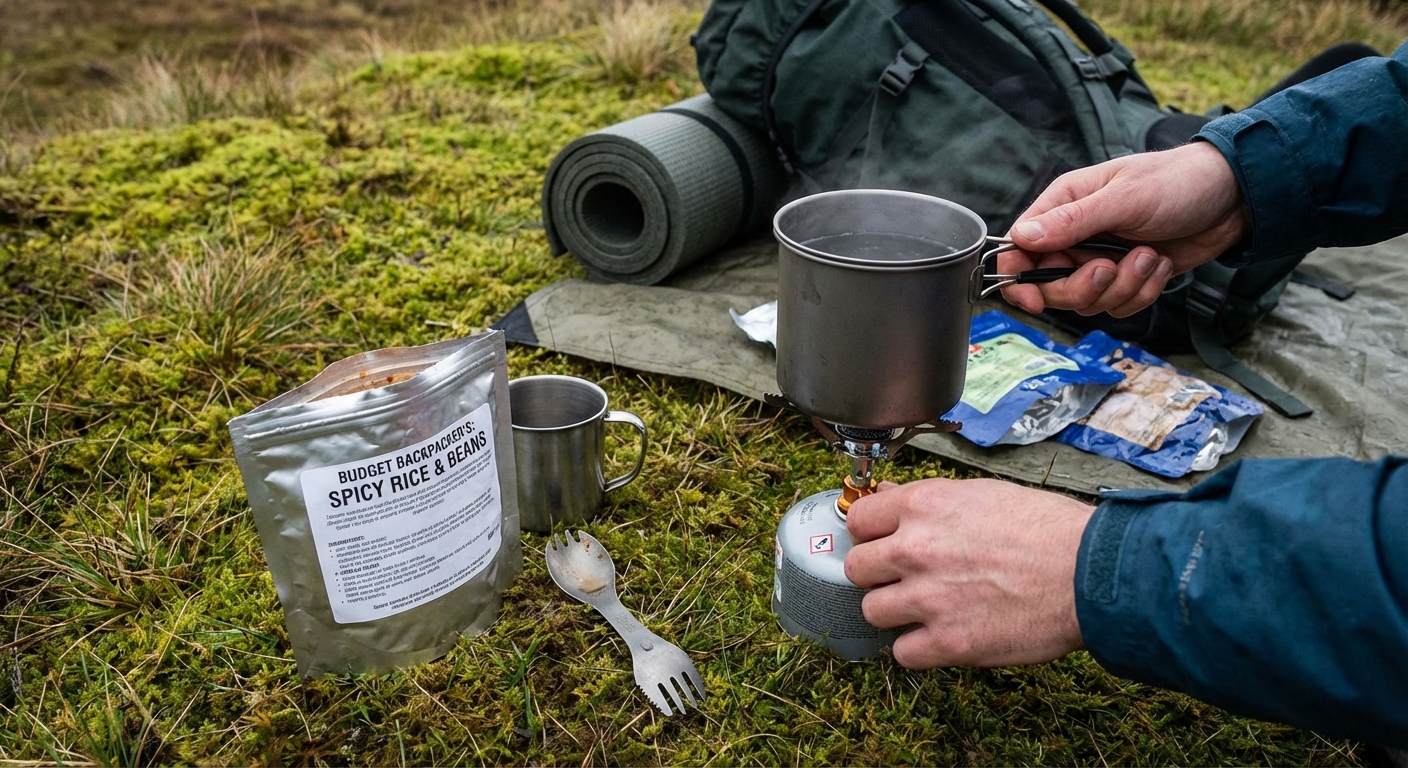
Here, "cheap" really means sensible-value meals rather than mystery-budget sludge.
A few useful examples from the current Trail Meals catalogue:
- Adventure Menu Chicken in Wild Sauce with Rice if you want a straightforward hot dinner with no complicated planning.
- Adventure Menu Meatballs with Basmati & Tomato Sauce if you want something filling and familiar after a long day.
- Adventure Menu Chicken Korma with Rice if you want a richer, comfort-food style option that still keeps camp cooking simple.
Those are not necessarily the absolute cheapest meals on the internet. They are the sort of options that can still make sense when you factor in ease, trail usefulness, and whether you will actually look forward to eating them.
If you want to browse wider options instead of locking into one brand, start in the catalog and compare meals by trip type, prep style, and likely use.
How to judge whether a meal is too expensive
A freeze-dried meal is drifting into bad-value territory if:
- the calorie count is modest but the price is not
- you would still need extra snacks to turn it into a real dinner
- it solves no real problem beyond looking outdoorsy
- it is aimed more at novelty or branding than practical trail use
That last one catches people out. Backpackers do not need every meal to be exciting. They need it to be light, easy, and good enough that they will eat it gladly in foul weather.
Better ways to save money than buying the worst pouch
If the budget matters, cut cost in the places that do the least damage to comfort.
Keep breakfasts basic
Porridge, granola, powdered milk, and instant coffee are still doing a lot of heavy lifting for a reason. They are cheap, predictable, and easy to portion.
Use no-cook lunches
Wraps, salami, nut butter, oat bars, trail mix, and hard cheese usually beat expensive specialist meals for lunch.
Save hot meals for evenings
This is where freeze-dried food feels earned. After a wet or tiring day, a fast hot meal is useful in a way a premium packaged breakfast rarely is.
Buy with a plan, not one pouch at a time
Most people waste money by buying random meals first and working out the trip later. Do the reverse. Set days, calories, and likely dinner slots, then buy only what fills the gaps. The meal planner is the least glamorous way to save money, which is usually a sign it is the right one.
Common mistakes when buying cheap backpacking meals
Buying on price alone
The cheapest pouch is not necessarily the cheapest trip. If it is underpowered, you end up padding it with extra snacks or another meal.
Treating every meal like a hot meal
For most UK trips, you do not need hot breakfast, hot lunch, and hot dinner. One hot meal a day is often enough.
Ignoring calorie density
Lightweight matters, but not if you are carrying lots of low-energy food. Backpacking food should earn its space.
Forgetting the rest of the system
Water access, stove reliability, weather, and your actual appetite all matter. A meal that works brilliantly at home can feel daft on a windy ridge.
Choosing generic advice instead of route-specific planning
Food for a summer overnight in the Lakes is not the same as food for a bigger route in cold wind and rain. Adjust the plan to the trip.
A practical one-night budget setup
For a simple overnight hike, you do not need anything clever.
- Breakfast before leaving: porridge or toast at home
- Lunch on the move: wraps, nuts, bars, dried fruit
- Dinner at camp: one freeze-dried or ready meal pouch
- Extra insurance calories: chocolate, flapjack, or trail mix
- Breakfast next morning: instant oats or granola
That gives you the convenience of a hot evening meal without turning the whole trip into a premium grocery bill.
When to skip freeze-dried meals altogether
There are plenty of cases where normal food wins.
Skip freeze-dried meals if:
- it is only a short day walk
- you can comfortably carry fresh food
- you are staying somewhere with proper cooking access
- you are trying to keep costs as low as possible and do not mind more prep
That is also why not every hiking-food article needs to end with “buy more pouches”. Sometimes the honest answer is sandwiches and a flask.
How this fits the wider Trail Meals cluster
This post should help readers move naturally in one of three directions:
- into the meal planner if they are working out days, calories, and weight
- into the catalog if they already know they want simple trail dinners
- into more specific guides, like gluten free hiking meals UK or lightweight dinner ideas for Lake District hikes, if they need a narrower answer
That path is more useful than stuffing the same keyword into every paragraph and hoping Google applauds.
Final take
Cheap freeze-dried backpacking meals are worth buying when they solve a real problem: low fuss, lower pack weight, and reliable hot food at the end of the day.
They are not automatically the cheapest way to eat outdoors, and they do not need to be the whole plan. Usually, the smart move is to use them selectively, keep the rest of the food simple, and plan the trip before you start buying pouches.
If you want the fastest next step, use the meal planner to test your trip setup, then browse the catalog for dinner options that actually fit it.
FAQ
Are freeze-dried meals cheaper than normal backpacking food?
Usually no. They are more expensive than basic supermarket food, but they can still be worth it when you care about pack weight, convenience, and fast hot meals at camp.
What is the cheapest good way to use freeze-dried meals on a trip?
Use them mainly for dinner, then keep breakfast and lunch simple and cheaper. That gives you most of the convenience without paying for specialist food all day.
Are cheaper freeze-dried meals good enough for multi-day hikes?
Some are. The useful test is whether they are filling, easy to prepare, and worth repeating for more than one evening. Cheap but disappointing is not a win.
What should I compare before buying?
Check price, calories, serving size, prep style, and whether the meal actually fits your trip. If the maths or the use case is weak, skip it.
Is this better for overnighters than day hikes?
Yes. Freeze-dried meals make far more sense on overnight or multi-day trips than on ordinary day walks, where simple packed food is usually cheaper and easier.
Related articles
Lightweight Camping Gear Checklist for UK Hikes
A practical UK hiking gear checklist that keeps pack weight down without forgetting the food, stove, water, and safety basics that…
Published 8 May 2026
High Calorie Hiking Snacks for Long Distance: What Is Actually Worth Carrying?
A practical guide to high calorie hiking snacks for long-distance trips, focused on calorie density, pack efficiency, repetition…
Published 25 Apr 2026
No-Cook Hiking Food Ideas UK: How to Eat Well Without Carrying a Stove
A practical guide to no-cook hiking food for UK trips, including where it saves weight and faff, and where a hot meal still earns its place.
Published 25 Apr 2026
Vegetarian Freeze-Dried Meals Review: Which Ones Are Actually Worth Carrying?
A practical review of vegetarian freeze-dried meals for hikers who want real calories, decent protein, and meals that actually justify…
Published 25 Apr 2026
Turn this advice into a usable food plan
Open the meal planner
Apply trip length, calorie targets, and dietary preferences to a generated meal plan built from real products.
Build a food planCompare products in the catalog
Use the catalog and product pages to compare weights, calories, and meal types related to this topic.
Browse real products