Top Safety Gadgets for UK Spring Hiking Trips
A practical UK-focused checklist of the safety gadgets that actually earn space in your spring hiking kit, with route-based advice and a clear next planning step.
On this page

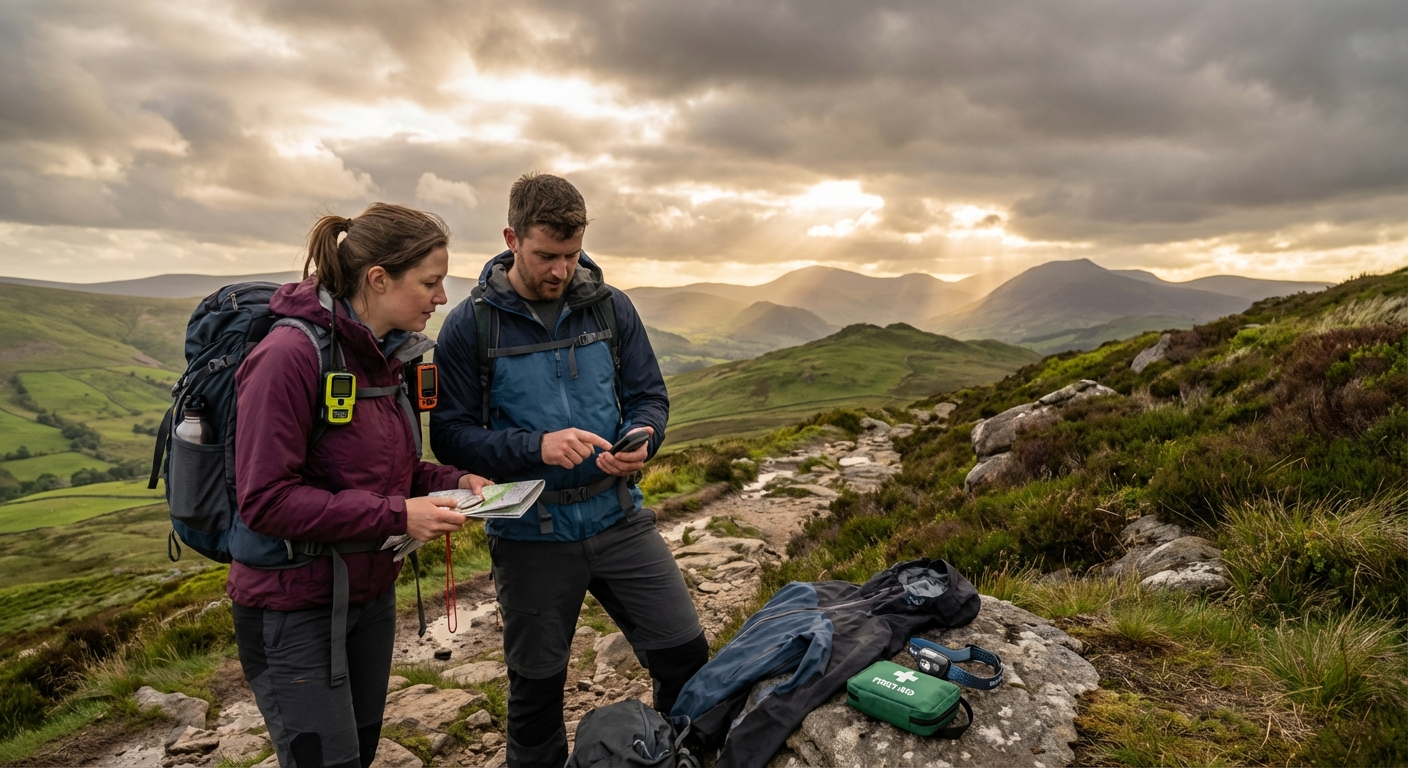
Spring hiking in the UK is usually less about heroic kit and more about avoiding predictable problems. Wet ground, short bursts of cold wind, patchy visibility, and the usual temptation to trust your phone too much are the real issues.
So the useful question is not “what gadgets exist?” but “what actually earns a place in the pack for this route?”
This guide keeps to that. You will get a practical shortlist, what matters on short vs longer trips, and where a few specific pieces of kit can help without turning your bag into a mobile electronics cupboard.
The short version
- Carry navigation backup, light, first aid, and a simple signalling option on almost every UK spring hike.
- Add shelter, satellite communication, and extra power when the route gets longer, quieter, or more weather-exposed.
- Do not let gadgets replace route choice, weather judgement, and enough food and water.
- If you are planning an overnight or multi-day trip, use the meal planner to sort calories and pack weight before you buy more kit.
What changes in spring
UK spring hiking is awkward in a very British way. The views can be excellent, but so can the mud, the wind chill, and the sudden loss of visibility on higher ground.
That means useful safety kit usually helps with one of five jobs:
- navigation when the obvious line disappears
- communication if signal drops out
- warmth if you stop moving or get delayed
- minor injury management
- keeping critical devices working in wet conditions
If a gadget does none of those jobs, it is probably optional.
Safety gadgets that genuinely earn their place
1. Headtorch
A headtorch is basic, but basic wins. It covers late finishes, poor visibility, camp admin, and unexpected delays.
Look for:
- reliable battery life
- easy controls with cold hands
- weather resistance
- a beam strong enough for pathfinding, not just rummaging
Red light mode is useful, but not the main reason to carry one.
2. Compact first aid kit
A small first aid kit is more valuable than most people’s “just in case” gadgets because blisters, cuts, and minor strains are common rather than dramatic.
A sensible option from the current catalogue is the AMK Ultralight / Watertight .7 Medical Kit if you want a lightweight starting point rather than building one from scratch.
Keep it practical. Treat hot spots, small cuts, pain, and minor mishaps first. That is what you are most likely to use.
3. Map and compass
Yes, still. Your phone is convenient, but UK hills are full of places where convenience stops being the same thing as reliability.
Carry a map and compass if the route has any real navigation consequence. More importantly, know how to use them before the weather becomes argumentative.
4. Power bank
A power bank is not exciting, which is exactly why it matters. If your phone is doing maps, emergency contact, weather checks, and photos, battery drain becomes a safety issue rather than a small annoyance.
Prioritise:
- enough capacity for your route length
- a simple charging setup
- waterproof storage
This is especially useful when cold weather and long navigation days are both in play.
5. Emergency shelter or bivvy bag
For exposed walks, long days, solo routes, or shoulder-season hill days, an emergency shelter is one of the few items that can materially change a bad situation.
You hope not to use it. That is not the same as not needing it.
6. PLB or satellite messenger
This is not an everyday carry item for a short wander on busy trails. It becomes much more justified when you are solo, in the Highlands, on longer wild camping routes, or anywhere mobile coverage is unreliable enough to matter.
The point is simple: if outside help may be needed and a phone cannot be trusted, satellite communication becomes earned rather than excessive.
7. Whistle
Cheap, light, boring, useful. Carry one.
What to pack for different trip types
Day hikes on popular trails
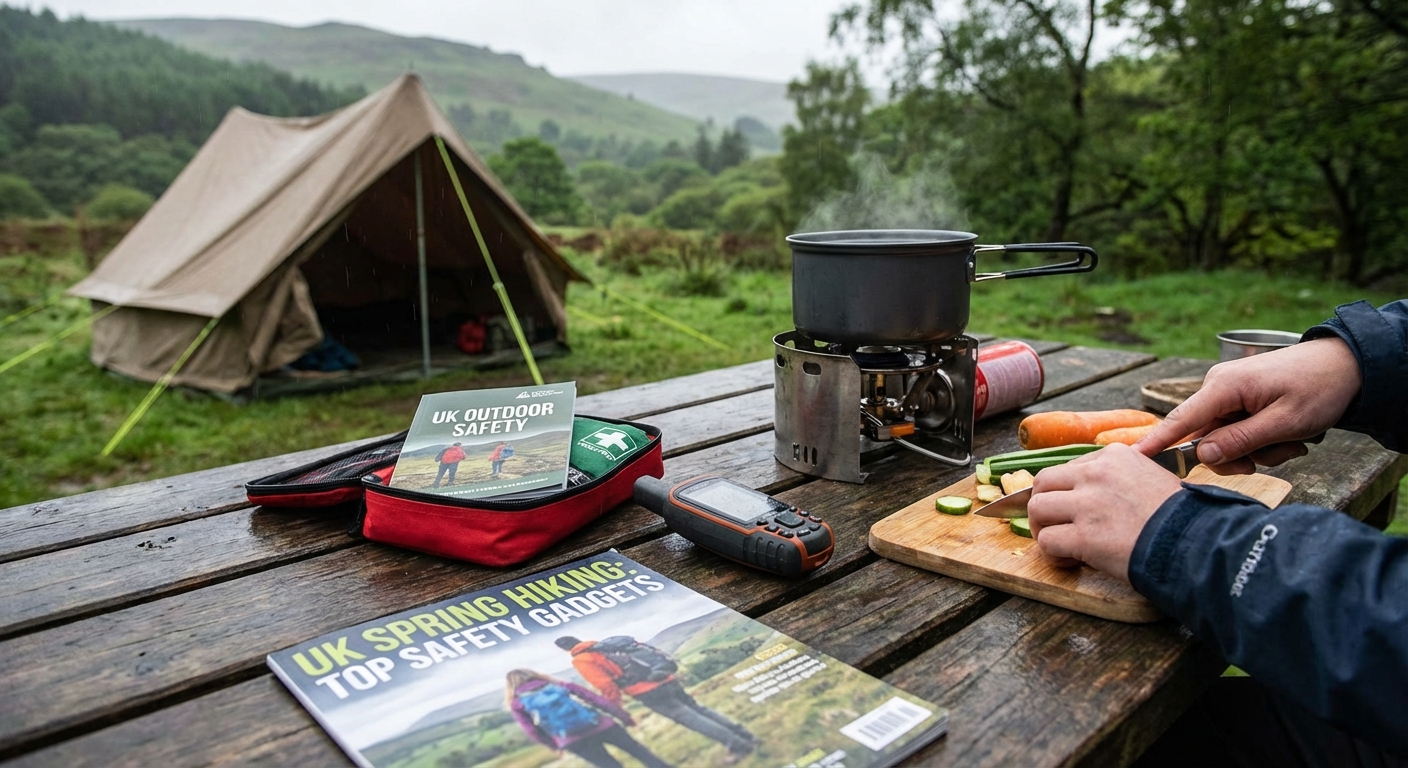
Usually enough:
- headtorch
- small first aid kit
- map and compass
- whistle
- phone in a dry bag
- small power bank if the day is long
This covers most sensible spring use cases without getting silly.
Longer days in more exposed terrain
Add:
- emergency shelter or bivvy bag
- spare warm layer
- larger power backup if using phone navigation heavily
This is where weather and delay risk start to matter more than convenience.
Multi-day hikes or wild camps
Add:
- stronger charging plan
- emergency shelter
- more robust navigation backup
- satellite messenger or PLB if the route is remote enough to justify it
This is also the point where food planning becomes part of safety, not just comfort. If your trip is multi-day, pair this with Fuel Smart: Why Calories Matter on Multi-Day Hiking Trips and then run the numbers through the meal planner.
Common mistakes
Buying gadgets before planning the route
The route decides the kit, not the other way round.
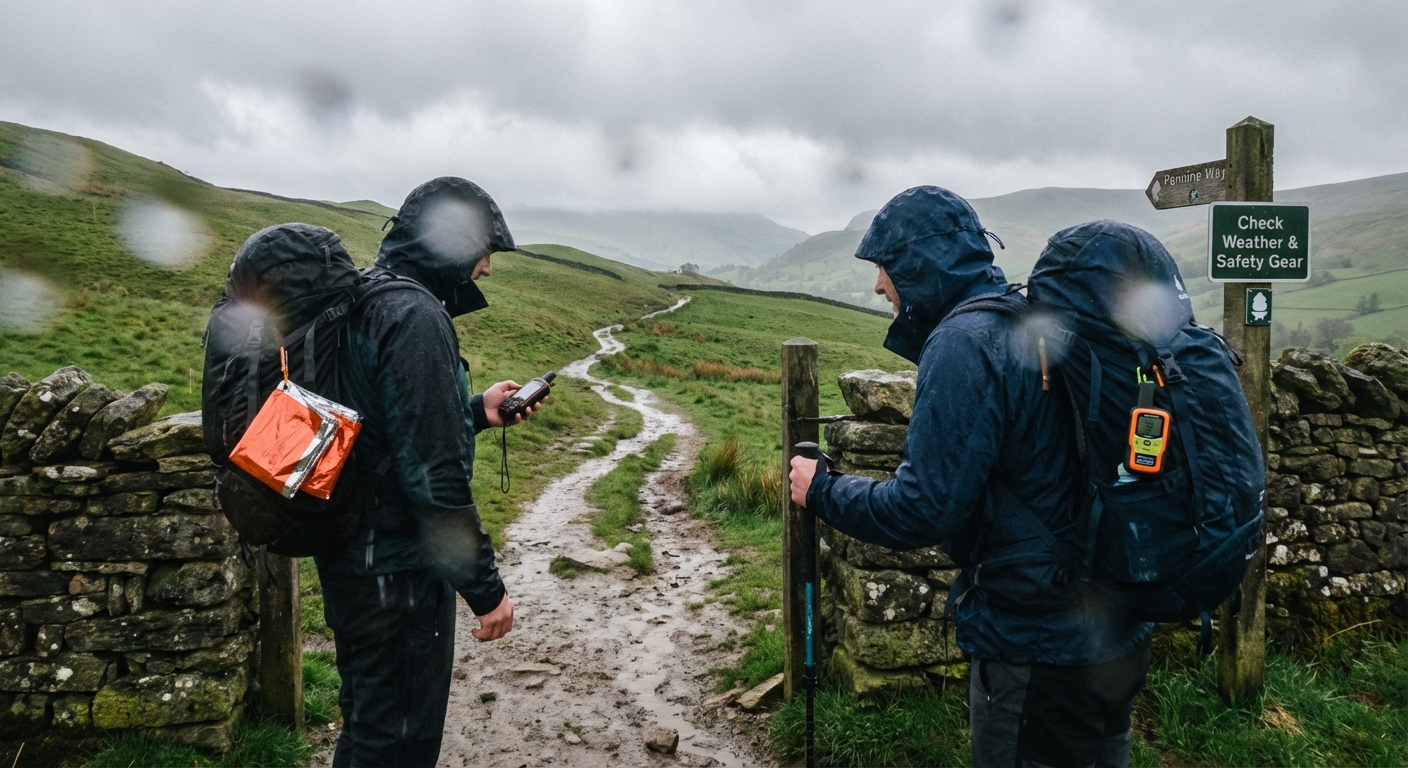
Trusting the phone as a single point of failure
If it handles navigation, weather, emergency contact, and camera duty, it needs backup power and protection from rain.
Carrying safety kit you do not know how to use
A map, compass, PLB, or even a first aid kit is only partly useful if you have never practised with it.
Confusing more kit with better judgement
No gadget fixes bad route choice, avoidable weather exposure, or turning around too late.
A simple spring safety setup that works for most hikers
If you want a practical baseline rather than a maximalist packing list, start here:
- headtorch
- compact first aid kit
- whistle
- map and compass
- phone in a waterproof pouch
- modest power bank
- extra warm layer
Then add shelter or satellite communication if the route deserves it.
That is a more useful setup than buying ten clever things and forgetting spare gloves.
Where Trail Meals fits
This article should help you do one of three things next:
- browse the catalog if you already know you need specific kit
- read best lightweight tents for UK hiking if this trip also includes an overnight
- use the meal planner if food weight, calories, and trip length still are not sorted
That is the useful path. Safety gear should support the trip plan, not distract from it.
Final take
The best safety gadgets for UK spring hiking trips are not the fanciest ones. They are the ones that solve normal problems reliably: light when the day runs long, navigation when the hill goes blank, first aid for the usual trail damage, and enough backup to stop a small problem becoming a larger one.
Pack for the route, not for the fantasy version of the route.
FAQ
What are the most useful safety gadgets for UK spring hiking trips?
For most hikers, start with a headtorch, compact first aid kit, whistle, map and compass, and a way to keep your phone dry and charged. Add shelter or satellite communication as the route gets more serious.
Do I need a PLB or satellite messenger?
Not always. They make more sense on remote, solo, multi-day, or poor-signal routes where outside help might genuinely be hard to reach.
Is a power bank really a safety item?
Yes, if your phone is handling navigation, weather checks, or emergency contact. Once the phone becomes part of your safety system, power backup matters.
What is the biggest mistake people make?
Usually either over-trusting a phone or buying too much kit without matching it to the route and conditions.
Where should I go next if I am planning an overnight trip?
Start with your food and weight plan in the meal planner, then look at adjacent gear guides such as best lightweight tents for UK hiking.
Related articles
Lightweight Camping Gear Checklist for UK Hikes
A practical UK hiking gear checklist that keeps pack weight down without forgetting the food, stove, water, and safety basics that…
Published 8 May 2026
High Calorie Hiking Snacks for Long Distance: What Is Actually Worth Carrying?
A practical guide to high calorie hiking snacks for long-distance trips, focused on calorie density, pack efficiency, repetition…
Published 25 Apr 2026
No-Cook Hiking Food Ideas UK: How to Eat Well Without Carrying a Stove
A practical guide to no-cook hiking food for UK trips, including where it saves weight and faff, and where a hot meal still earns its place.
Published 25 Apr 2026
Vegetarian Freeze-Dried Meals Review: Which Ones Are Actually Worth Carrying?
A practical review of vegetarian freeze-dried meals for hikers who want real calories, decent protein, and meals that actually justify…
Published 25 Apr 2026
Turn this advice into a usable food plan
Open the meal planner
Apply trip length, calorie targets, and dietary preferences to a generated meal plan built from real products.
Build a food planCompare products in the catalog
Use the catalog and product pages to compare weights, calories, and meal types related to this topic.
Browse real products